
Author: LSE IDEAS
LSE IDEAS is a foreign policy think tank at the London School of Economics and Political Science. IDEAS was founded as a think tank for Diplomacy and Strategy in February 2008, succeeding the Cold War Studies Centre founded in 2004. The Chair is Professor Michael Cox and its Directors are Professor Christopher Coker and Professor Christopher Alden. The 2018 and 2017 Global Go To Think Tank Index run by the University of Pennsylvania's Think Tank and Civil Societies Program ranked LSE IDEAS as the number one European university-affiliated think tank, and the number two university-affiliated think tank in the world.
IDEAS runs seven research projects, hosts public and private events (43 in 2017-2018), and publishes analyses of international affairs. From 2017 to 2018, it released 75 publications and held 43 fellowships and scholarships. In addition, IDEAS houses the LSE Executive MSc International Strategy and Diplomacy, a program designed to enhance the strategic vision of mid-career professionals.
Related Posts
China’s Strategy of Staying Out of Iran
By Felix Brender 王哲謙 When China and Russia vetoed the UN Security Council’s Strait of Hormuz resolution on 7 April, after weeks of increasingly plaintive calls for Beijing to “do more” over Iran, a familiar argument resurfaced: if ...
Related Posts
China Is on China’s Side…but Whose Side Is That Exactly?
By Lukas Fiala China is on China’s side. That was the verdict of a GCC China expert cited in Jonathan Fulton’s excellent China-MENA newsletter this week. Despite Beijing’s veto of Bahrain’s UNSC proposal and reports of Chinese shipments of ...

China’s Foreign Policy Faces a Dual Test as It Challenges U.S. Power and Manages Turbulence at Home
By Lukas Fiala Earlier this week, I was asked to reflect on the main drivers of Chinese foreign policy in the coming months and into next year, in the context of the ongoing Russian war in Ukraine.
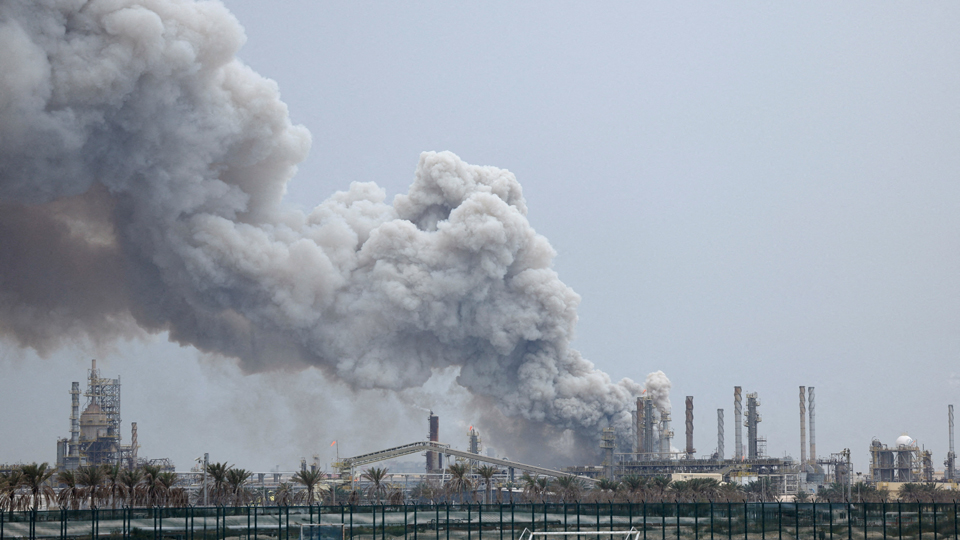

The Limits of China’s “Wait and See” Approach in the Iran War
By Lukas Fiala Lots of ink has been spilled about the war in Iran and its implications for China in the Middle East and the Global South at large. One narrative suggests that despite oil market disruptions and political instability across ...
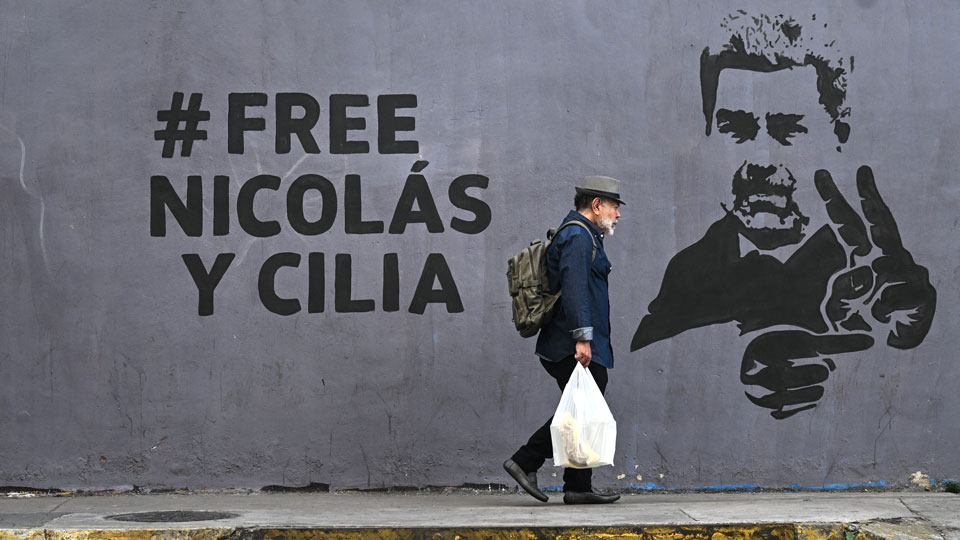

China’s Global Power Looks Different When Its Partners Are in Crisis
By Felix Brender 王哲謙 On January 3, 2026, U.S. forces executed a dramatic operation to capture Venezuelan President Nicolás Maduro, abruptly removing the central figure of a regime that had been one of Beijing’s most emblematic strategic partners in Latin ...
Uncategorized
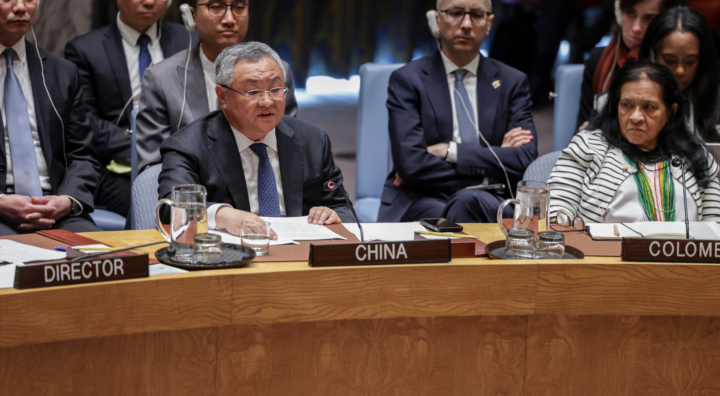
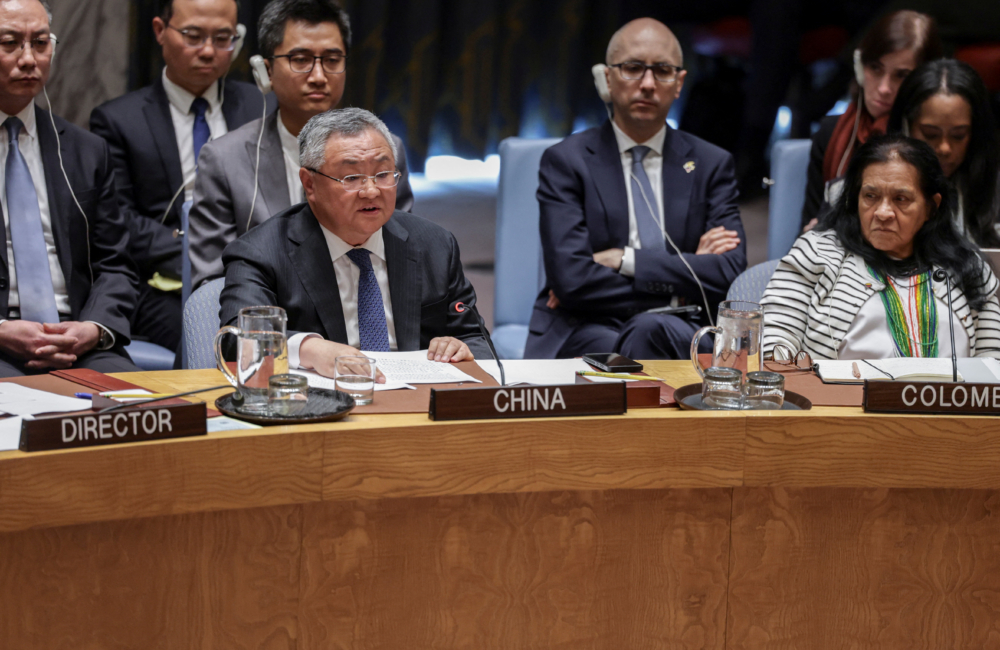
China's Permanent Representative to the UN, Fu Cong, speaks during a United Nations Security Council meeting on a Hormuz resolution at U.N. headquarters in New York City, U.S., April 7, 2026. REUTERS/Jeenah Moon
By Felix Brender 王哲謙 When China and Russia vetoed the UN Security Council’s Strait of Hormuz resolution on 7 April, after weeks of increasingly plaintive calls for Beijing to “do more” over Iran, a familiar argument resurfaced: if China wants the status ...

China’s Strategy of Staying Out of Iran
By Felix Brender 王哲謙 When China and Russia vetoed the UN Security Council’s Strait of Hormuz resolution on 7 April, after weeks of increasingly plaintive calls for Beijing to “do more” over Iran, a familiar argument resurfaced: if ...
China Is on China’s Side…but Whose Side Is That Exactly?
By Lukas Fiala China is on China’s side. That was the verdict of a GCC China expert cited in Jonathan Fulton’s excellent China-MENA newsletter this week. Despite Beijing’s veto of Bahrain’s UNSC proposal and reports of Chinese shipments of ...
China’s Foreign Policy Faces a Dual Test as It Challenges U.S. Power and Manages Turbulence at Home
By Lukas Fiala Earlier this week, I was asked to reflect on the main drivers of Chinese foreign policy in the coming months and into next year, in the context of the ongoing Russian war in Ukraine.
The Limits of China’s “Wait and See” Approach in the Iran War
By Lukas Fiala Lots of ink has been spilled about the war in Iran and its implications for China in the Middle East and the Global South at large. One narrative suggests that despite oil market disruptions and political instability across ...
China’s Global Power Looks Different When Its Partners Are in Crisis
By Felix Brender 王哲謙 On January 3, 2026, U.S. forces executed a dramatic operation to capture Venezuelan President Nicolás Maduro, abruptly removing the central figure of a regime that had been one of Beijing’s most emblematic strategic partners in Latin ...

In 2026 China–India Ties Will Primarily Be Shaped at Home, Not by the U.S.
By Saniya Kulkarni and Lukas Fiala The tentative normalisation of Sino-Indian relations over the last year has sometimes been attributed to President Trump’s heavy-handed approach to trade policy, especially his "liberation day" tariff announcements. Going into 2026, however, it remains the ...

Why Greenland is the New Front in the U.S.–China Resource Rivalry
By Lukas Fiala After a showcase of U.S. military might in Venezuela, the longstanding back-and-forth about a potential U.S. intervention in Greenland continues apace. With President Trump announcing earlier this week that the U.S. would acquire Greenland “one way or ...

What the U.S. Strategy Debate Gets Wrong About China
By Lukas Fiala Over the last week, all of us have pored over the latest U.S. National Security Strategy. As many have pointed out, one of the most striking developments is the shift towards recognising the Western Hemisphere as a primary ...


At African Studies Gathering, Critiques of China Grow Louder… And More African
By Felix Brender 王哲謙 Some of North America’s (and perhaps the world’s) leading Africanists gathered last week in Atlanta for the African Studies Association’s Annual Meeting. As ever, China loomed large on the agenda. What was new, however, was not ...


An Exhibition of ‘Civilizations’ in Beijing, and the Narrative China Is Quietly Writing
By Felix Brender 王哲謙 The Where Civilizations Meet exhibition at Beijing’s National Museum of China drew to a close this month. Showcasing artifacts from member states of the Shanghai Cooperation Organization, it was, at least on the surface, a celebration ...
It’s Time to Reflect on China’s Global Economic Role (Again)
By Lukas FIala Whenever the AidData team at William & Mary publishes one of their landmark reports, it’s time for us to sit down, read and think. And with the publication of their latest findings this week, they’ve given us a ...
A Post-American Shift Complicates Growth Strategies for the Global South
by Lukas Fiala and Chris Alden From the BRICS to the Shanghai Cooperation Organization (SCO), members of recently expanding international fora are quick to point to a multipolar order as a hopeful imaginary of post-Western internationalism.