
Author: The ChinaMed Project
The ChinaMed Project is a research platform promoted by the Torino World Affairs Institute, part of the TOChina Hub developed by the University of Torino. The ChinaMed Project offers a fresh analytical response to the shifting geo-economic and security landscape in the wider Mediterranean region. In particular, the primary research aim of the ChinaMed research team is to analyse the deepening interconnections between China and countries in this region, reflecting on their potential impact on regional and global dynamics.
Related Posts
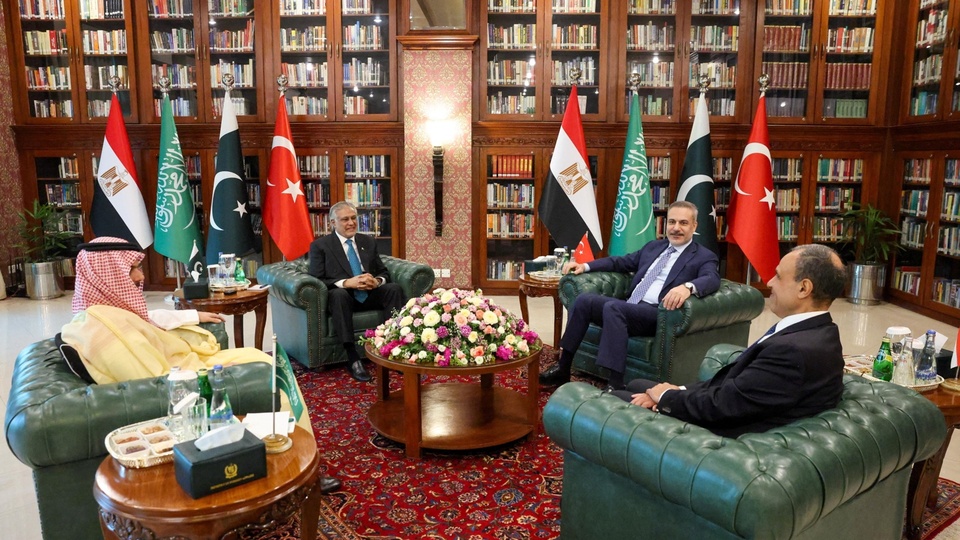



The Real Victor: The Arab Media Debate on China and the Iran War
By Francesca Daniele On March 11, 2026, the United Nations Security Council adopted Resolution 2817. Proposed by Bahrain and backed by fellow Gulf Cooperation Council (GCC) countries as well as Jordan, the resolution condemns “in the strongest terms” Iran’s ...
Related Posts
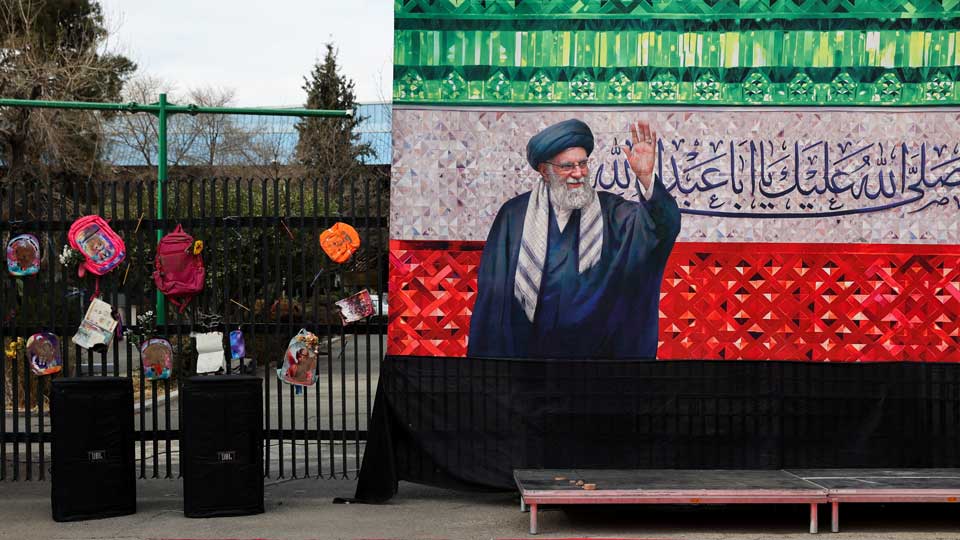

Regime Survival and International Implications: China’s Perspective on the Iran Crisis
By Andrea Ghiselli This edition of the ChinaMed Observer returns to the Chinese official narrative and expert debate on the ongoing war in Iran. In a previous issue, we examined initial Chinese reactions: restrained, framed in international law, and calling for dialogue and ...
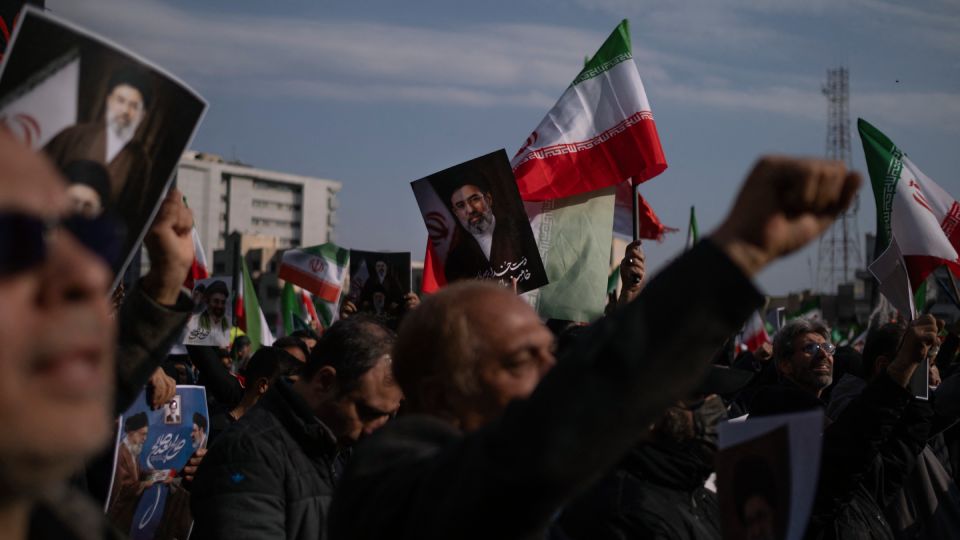

Israeli Experts Converge: China Can’t Afford to Back Iran
By Amanda Chen One week into the war triggered by the American-Israeli joint offensive on Iran launched on Saturday, February 28, Tehran’s retaliation has already expanded from targeting U.S. military assets to striking Gulf energy and civilian infrastructure. On March 7, ...
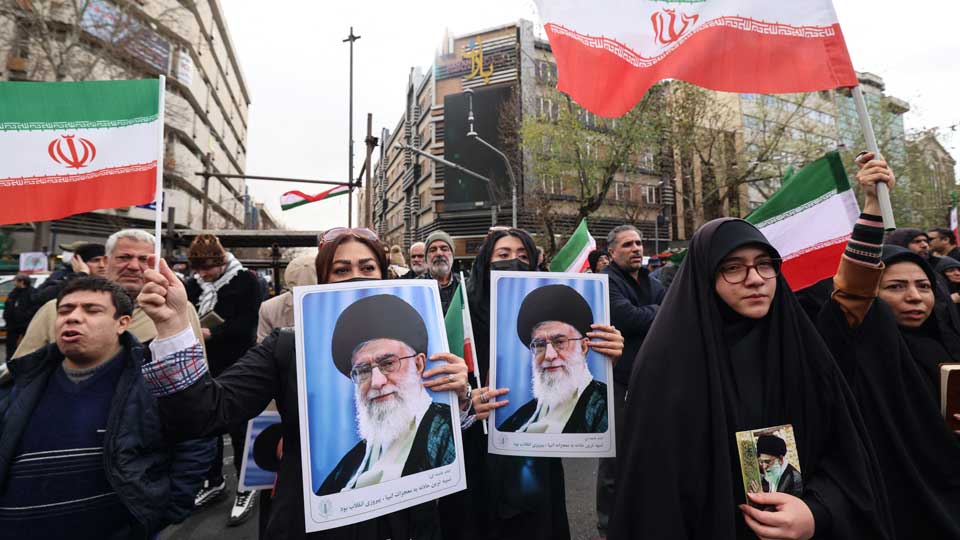
How Chinese Experts are Reacting to the American-Israeli Strikes on Iran
By Andrea Ghiselli More than a hundred children at a girls’ primary school in Minab, in southern Iran, are reported dead. Missiles and drones are striking targets across Israel as well as the Gulf, from Kuwait to Oman, with the barrage ...


China and the Libyan Crisis: Maintaining a Foot in the Door in a Changing Region
By Bianca Pasquier and Leonardo Bruni, On November 12, 2025, the Chinese embassy in Tripoli officially reopened after more than a decade. However, the return of Chinese diplomatic staff to the Libyan capital passed largely unnoticed, attracting scant media interest ...
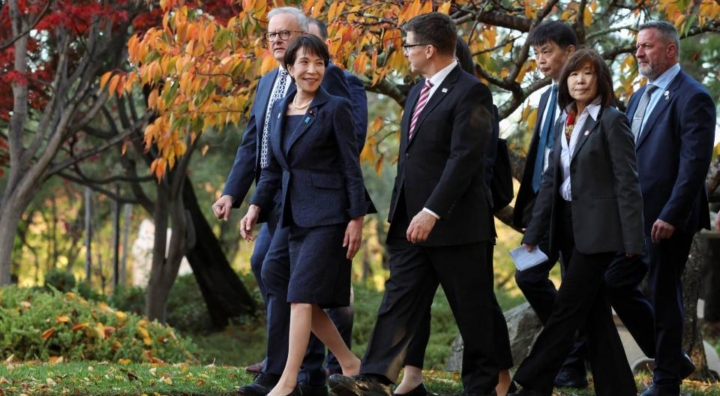
Japan's Prime Minister Sanae Takaichi walks with Australia's Prime Minister Anthony Albanese as they visit Canberra Nara Peace Park in Canberra, Australia, May 4, 2026. REUTERS/Hollie Adams
Japan in recent months has become increasingly concerned about the twin crises of China’s growing military threats and rising uncertainty about U.S. security commitments during President Donald Trump’s tenure. Since taking office last fall, Prime Minister Sanae Takaichi has responded by dramatically elevating Japan’s geostrategic position across the Asia-Pacific, not only ...

The Real Victor: The Arab Media Debate on China and the Iran War
By Francesca Daniele On March 11, 2026, the United Nations Security Council adopted Resolution 2817. Proposed by Bahrain and backed by fellow Gulf Cooperation Council (GCC) countries as well as Jordan, the resolution condemns “in the strongest terms” Iran’s ...
Regime Survival and International Implications: China’s Perspective on the Iran Crisis
By Andrea Ghiselli This edition of the ChinaMed Observer returns to the Chinese official narrative and expert debate on the ongoing war in Iran. In a previous issue, we examined initial Chinese reactions: restrained, framed in international law, and calling for dialogue and ...
Israeli Experts Converge: China Can’t Afford to Back Iran
By Amanda Chen One week into the war triggered by the American-Israeli joint offensive on Iran launched on Saturday, February 28, Tehran’s retaliation has already expanded from targeting U.S. military assets to striking Gulf energy and civilian infrastructure. On March 7, ...
How Chinese Experts are Reacting to the American-Israeli Strikes on Iran
By Andrea Ghiselli More than a hundred children at a girls’ primary school in Minab, in southern Iran, are reported dead. Missiles and drones are striking targets across Israel as well as the Gulf, from Kuwait to Oman, with the barrage ...
China and the Libyan Crisis: Maintaining a Foot in the Door in a Changing Region
By Bianca Pasquier and Leonardo Bruni, On November 12, 2025, the Chinese embassy in Tripoli officially reopened after more than a decade. However, the return of Chinese diplomatic staff to the Libyan capital passed largely unnoticed, attracting scant media interest ...

An “Emotional Shift” in Israel? Rapprochement with Taipei during the Gaza War
By Amanda Chen On October 28, Taiwanese leader Lai Ching-te (賴清德) made headlines when he publicly referred to Israel as a “valuable model” for Taiwan’s defence. He delivered the remark during a dinner in Taiwan organised by the American Israel Public Affairs Committee ...

From Geoeconomics to a Chinese Diplomatic Shift on the Western Sahara? Moroccan Press Coverage of FM Bourita’s Visit to Beijing
Disclaimer: The terminology and analysis presented here do not necessarily reflect the personal views of the author or the official stance of the ChinaMed Project, T.wai. For the sake of consistency and clarity, this piece employs the commonly recognized term “Western Sahara.”

Mediterranean Anxieties Over the Sino-Moroccan Rapprochement: French, Algerian, and Tunisian Media Perspectives
By Bianca Pasquier On October 31, 2025, China abstained from the United Nations Security Council vote endorsing Morocco’s “Western Sahara Autonomy Proposal” for resolving the conflict between Rabat and the Polisario Front. Two days prior, Chinese Foreign Minister Wang Yi reportedly ...
Iranian Experts Debate the Future of the Iran-China Relationship After the Twelve-Day War
By Theo Nencini and Veronica Turrini The Israel–Iran conflict of June 13–24, 2025 – christened the “Twelve-Day War” by U.S. President Donald Trump following his precariously brokered truce – represented the culmination of a protracted, multidimensional, and steadily escalating confrontation between Tel Aviv ...
An Unreliable Friend: Arab Perspectives on China After the Twelve-Day War
Francesco Scala and Leonardo Bruni This edition of the ChinaMed Observer builds upon our ongoing research analyzing local, regional, and Chinese perspectives on China’s role in the Middle East in the aftermath of the “Twelve-Day War” between Israel and Iran. Whereas ...
From Estrangement to Reassessment? Israeli Media and Expert Views on China After the Twelve-Day War
By Amanda Chen Building on our previous analysis of China’s official position and expert debate on the Iran–Israel War, this edition of the ChinaMed Observer examines how the conflict has shaped Israeli analysts’ perceptions of China’s role in the Middle East. Even prior to ...
Diminishing U.S. Influence? Chinese Official Positions and Expert Debate on the Israel-Iran Conflict
By Miriam Verzellino and Andrea Ghiselli On June 13, Israel launched a series of air and missile strikes against Iran, targeting nuclear facilities, military installations, air defense systems, as well as prominent military leaders, politicians and nuclear scientists. Israeli Prime Minister Benjamin ...