
Tag: apparel
Related Posts



U.S. Tariff War Could Deepen Indonesia’s Ties with China—But Jakarta Holds the Keys
When the United States slaps a 32% tariff on a wide range of Indonesian exports, it frames the move as a way to protect American industry. But halfway around the world, the decision opens the door to deeper strategic realignment. With access to U.S. markets suddenly ...
Related Posts
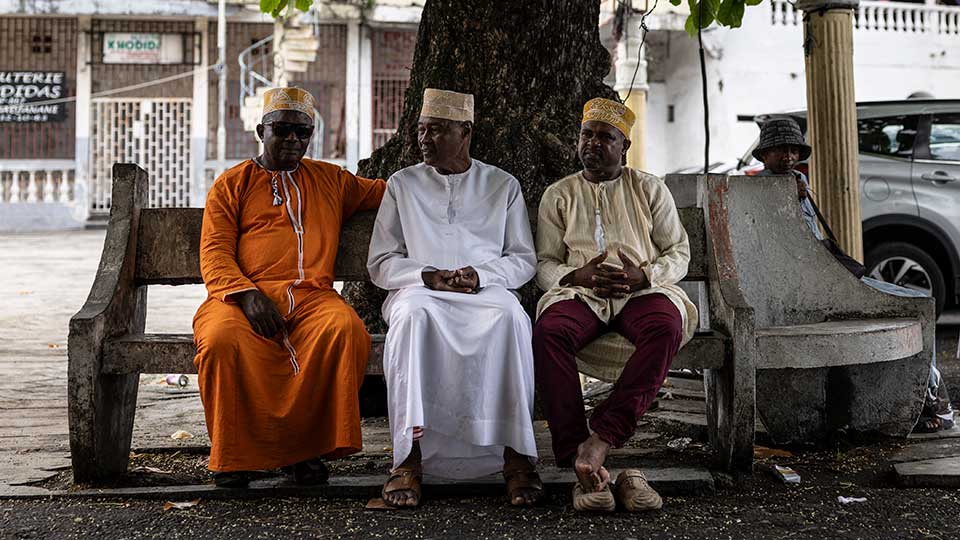

Comoros’ Prized Muslim Headgear Undercut by Chinese Copies
By Faïza Soulé Youssouf In the markets of the Comoros, the hand-embroidered kofia that is essential headwear for men and boys at Eid celebrations this month is facing fierce competition from much cheaper Chinese versions. ...
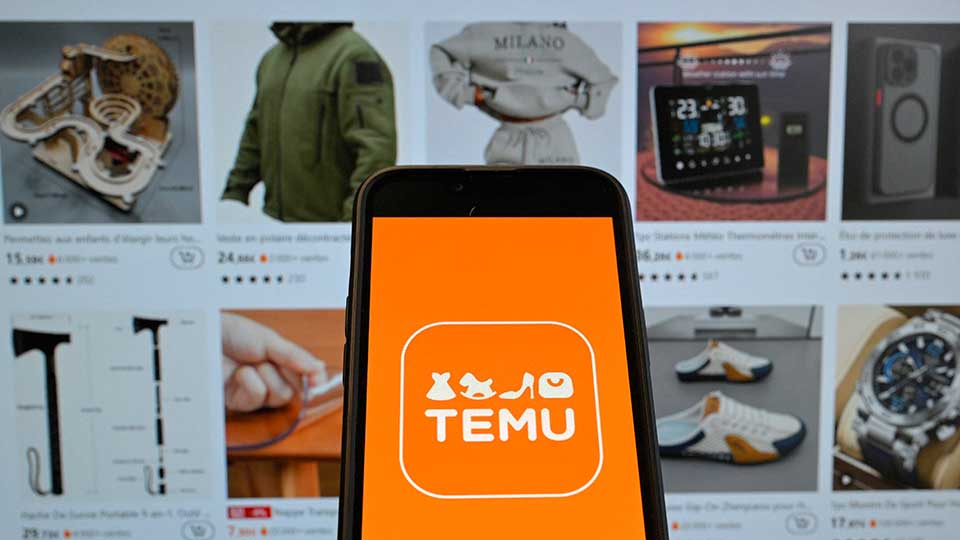

Chinese Shopping App Temu Suspended in Vietnam: State Media
Chinese shopping app Temu has been forced to suspend its services in Vietnam after it failed to register with authorities, state media said on Thursday. Goods ordered on Temu were no longer being cleared through customs in Vietnam, state media reported, ...


Don’t Blame Cheap Chinese Imports For Destroying Nigeria’s Textile Industry: It’s Our Fault, Say Industry Leaders
Nigeria's once-thriving textile sector is now fast disappearing due largely to competition from Chinese imports. But don't blame the Chinese, said Mansur Ahmed, president of the Manufacturers Association of Nigeria, who puts a lot of the responsibility for the industry's demise squarely at the ...


Translation: Wu Jiangtao’s Lesson For Other Chinese Entrepreneurs in Africa
Editor's Note: the following is a summary translation of an article posted on the African Research Group's (微信公众号 非洲研究小组) WeChat channel. Minor edits and slight adjustments to the translation have been done to enhance clarity. Please click here to view the original version of the article ...
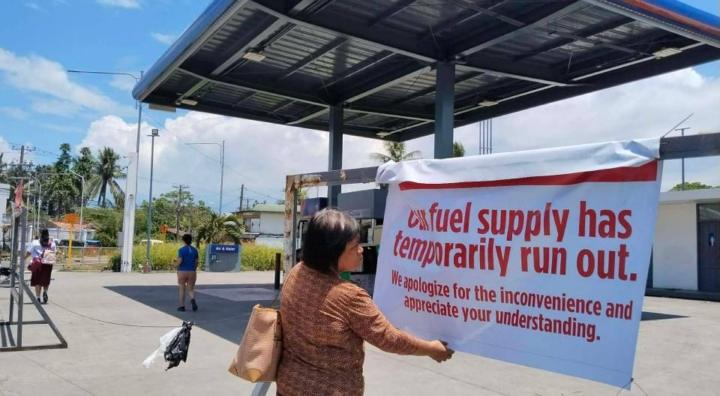
A pedestrian reads a sign at a petrol station in Tacloban City, Leyte province, central Philippines on March 30, 2026. Photo by MARLON TANO / AFP
In response to Iran’s partial closure of the Strait of Hormuz, the United States has begun implementing a counter-blockade—leveraging naval patrols, sanctions enforcement, and selective interdictions to constrain Iranian oil exports and raise the costs of Tehran’s strategy. Rather than restoring stability, however, this tit-for-tat dynamic is accelerating fragmentation in global ...

U.S. Tariff War Could Deepen Indonesia’s Ties with China—But Jakarta Holds the Keys
When the United States slaps a 32% tariff on a wide range of Indonesian exports, it frames the move as a way to protect American industry. But halfway around the world, the decision opens the door to deeper strategic realignment. With access to U.S. markets suddenly ...
Comoros’ Prized Muslim Headgear Undercut by Chinese Copies
By Faïza Soulé Youssouf In the markets of the Comoros, the hand-embroidered kofia that is essential headwear for men and boys at Eid celebrations this month is facing fierce competition from much cheaper Chinese versions. ...
Chinese Shopping App Temu Suspended in Vietnam: State Media
Chinese shopping app Temu has been forced to suspend its services in Vietnam after it failed to register with authorities, state media said on Thursday. Goods ordered on Temu were no longer being cleared through customs in Vietnam, state media reported, ...
Don’t Blame Cheap Chinese Imports For Destroying Nigeria’s Textile Industry: It’s Our Fault, Say Industry Leaders
Nigeria's once-thriving textile sector is now fast disappearing due largely to competition from Chinese imports. But don't blame the Chinese, said Mansur Ahmed, president of the Manufacturers Association of Nigeria, who puts a lot of the responsibility for the industry's demise squarely at the ...
Translation: Wu Jiangtao’s Lesson For Other Chinese Entrepreneurs in Africa
Editor's Note: the following is a summary translation of an article posted on the African Research Group's (微信公众号 非洲研究小组) WeChat channel. Minor edits and slight adjustments to the translation have been done to enhance clarity. Please click here to view the original version of the article ...

South African Retailers Under Pressure to Ensure Supply Chains Free of Xinjiang Cotton
South Africa's major retailers are under scrutiny from civil society groups to ensure their supply chains do not contain any apparel products that use cotton from China's Xinjiang autonomous region. There are well-documented concerns that Uyghur minority populations are forced to pick cotton by hand.


Rwanda Attracting More Chinese & HK Apparel Investment
It's interesting how two African land-locked countries are emerging as the continent's leading destination for Asian apparel makers looking to offshore, or "delocalize" their China manufacturing operations. Both Ethiopia and Rwanda are emerging as the leaders in this sector despite the fact that transportation logistics in each ...
A Nigerian’s Guide to Manufacturing in China
A sizable portion of the 200+ billion dollars in China-Africa trade is the stuff that fills store shelves and market stalls across the continent. Clothes, electronics, cars, pots & pans, glasses and pretty much everything else that one can imagine ...
From 'Made in China' to 'Made in Africa'
A growing number of Chinese companies are looking to outsource production overseas in a bid to lower costs and meet Beijing's increasingly stringent environmental laws. Ethiopia and South Africa are among the beneficiaries of this new trend as Chinese apparel, textile and even steel ...