
This is a free preview of the upcoming Africa EVs Weekly Digest, part of the new CGSP Intelligence service.
As the war in the Middle East triggers one of the worst oil shocks in history, e-mobility business models are racing forward. Amid the economic shocks, African countries seek alternatives for more affordable electric vehicle (EV) innovations and solutions.
However, the success of these models depends on whether the unfolding events in the Strait of Hormuz will broaden EV adoption in Africa or if electric vehicles will remain out of reach for many.
Like the COVID crisis of the early 2020s, a global reset is inevitable. How this will affect Africa’s automotive scene will only be seen once the continent finds its way around the bottlenecks in its EV sector.
This week in Africa’s EV scene:
Tanzanian Startup’s Dual Approach to Increase EV Adoption
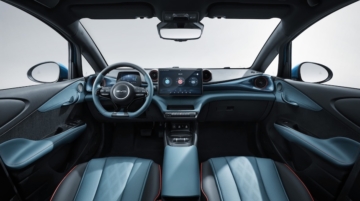
A small Tanzanian start-up is teaming up with Chinese automakers like Geely and Dongfeng to introduce electric vehicles in the East African country. The company will assemble the vehicles locally from Chinese-made kits, with an eye on expanding the local skills base.
Why This Matters: This business model allows the company to meet market demand while also creating value locally through vehicle assembly. This approach means that the company is not only selling vehicles but also enabling technology and skills transfer, which could form the basis for eventually selling locally built EVs in Tanzania.
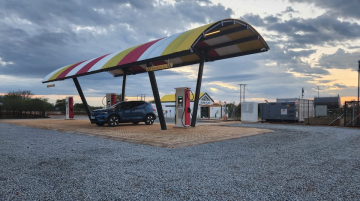
Burundi Launches East Africa’s Largest Solar EV Charging Station
East Africa’s largest high-speed charging station for EVs was just launched in Burundi, Africa’s second least electrified country.
Why This Matters: With EV charging infrastructure remaining limited globally, the project in Burundi will be an interesting test case to determine which form of investment boosts e-mobility. It also proves that, whether feeding into domestic electrification or e-mobility, solar energy remains one of the biggest and most attractive investment opportunities in Africa.
Rising Fuel Prices Boost Tanzania’s EV Adoption Case
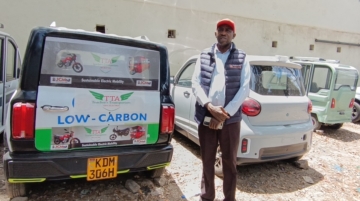
Equator Mobility, a Kenyan energy solutions company focusing on sustainable and scalable transport, is partnering with Delight Cabs to support the integration of EVs into their fleet.
Why This Matters: Electric vehicles remain rare on many streets in Kenya but these kinds of partnerships are increasing their visibility and helping create awareness. This could be one of the best marketing strategies for companies seeking to break into the EV sector in a market that is accustomed to second-hand vehicles.
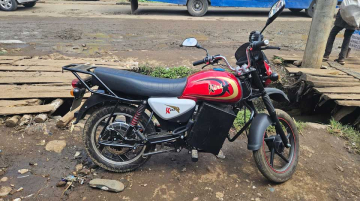
Japanese-owned Dodai 55 Electric Motorcycles for Deliveries in Ethiopia
Ethiopia’s EMAWA becomes the latest to electrify its delivery fleet, following a history-making ban on ICE vehicle imports over a year ago.
Why This Matters: Delivery services are becoming more common across Addis Ababa, and the partnership between Dodai and EMAWA shows how the logistics sector could become one of the biggest shapers of the e-mobility shift.
Chinese EVs Gaining Traction in Botswana
Different factors, including maintenance and fuel costs, are driving electric vehicle adoption in Botswana.
Why This Matters: Botswana imports almost all of its refined petroleum products while it generates most of its electricity from coal. Investors who manage to shift the country to renewable energy solutions will not only benefit the EV sector but also replicate this success across sectors, compounding their returns.
In context
The war is causing significant uncertainty about energy issues, but e-mobility innovations could spur African countries to accelerate the adoption of electric vehicles. If governments support the shift, the continent could end its dependence on fuel imports.
The takeaway:
There is no timeline as to when the Middle East oil shock will end, but this creates a golden opportunity for African countries to break away from imported fuel and build sustainable solutions, including renewable energy and e-mobility.