China stands to gain from a surprising twist in global energy trade: India, long a rival and major oil importer, is now being forced to pay Russia for crude in Chinese yuan (RMB), a move that strengthens the yuan’s global role and indirectly supports China’s currency in international markets.
According to one Bilibili commentator, Russia made the demand to simplify payments and reduce exchange risks. To help the audience understand why Russia is being so insistent, the video details the complicated and costly payment process that preceded this move.
After Western sanctions following the Russia-Ukraine conflict, Russia’s oil trade was forced out of the dollar-dominated global system. At first, Russia tried to be flexible, allowing buyers like India to pay in dollars or UAE dirhams, and even discussing the possibility of using Indian rupees. But Russia’s real need is for rubles that can be used domestically. Among the alternative currencies, only the RMB can be directly and massively exchanged for rubles.
When payments came in dollars or dirhams, Russian traders had to first convert them into RMB, and then into rubles, a process that added costs, exchange-rate risks, and delays, all of which eroded profits in an already tight market. Switching to RMB payments eliminates these inefficiencies, allowing Russia to receive its money directly in a currency that can be exchanged for rubles in one step.
There’s also a history of mistrust with India. Early on, India had lobbied for rupee settlement, reflecting its long-standing ambition to internationalize its currency. But Russia quickly realized this would be a trap: it runs a massive trade surplus with India, and accepting rupees would force it to hold a currency with limited international buying power. Moreover, the potential for India to print more rupees could devalue Russia’s reserves. Rejecting the rupee in favor of RMB was therefore a safer, more predictable option.
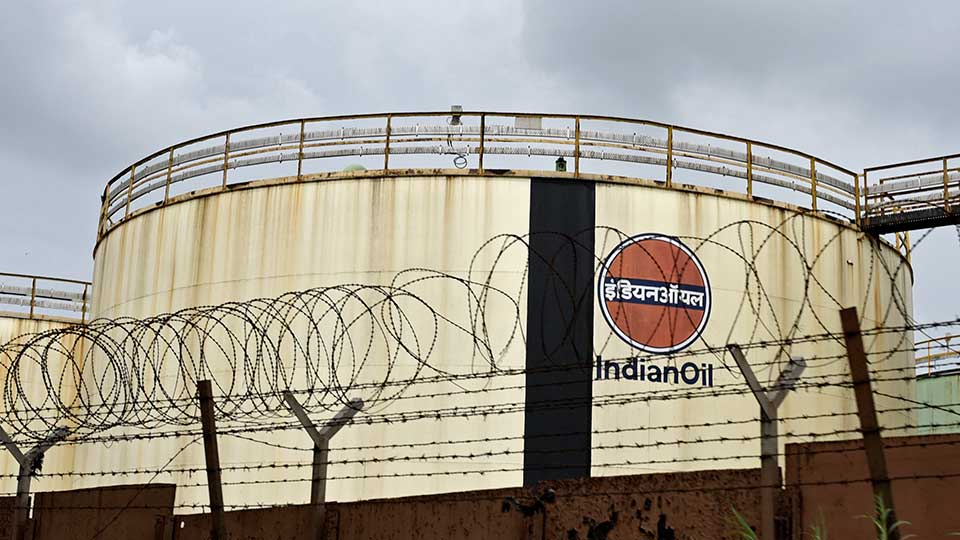
Timing also matters. Even U.S. threats of tariffs did not deter India from buying Russian oil, and Russia’s recent strategy of selling discounted oil to Pakistan, India’s rival, added pressure for India to comply. On the other side, improving China–India relations and a cooling of U.S.–India ties created an opening for Russia to push this RMB demand further. Now, even India’s largest state-owned refiner, Indian Oil Corporation, has little choice but to adopt RMB payments.
This development has implications beyond Russia and India. India has a longstanding trade deficit with China exceeding $100 billion and holds only limited RMB reserves. To meet Russia’s demand, India must purchase large amounts of RMB on the global market, effectively supporting the yuan and accelerating its internationalization. Ironically, a country that has long viewed China as a competitor is now becoming one of the biggest global buyers of RMB, indirectly bolstering China’s currency in global trade and energy markets.
Why Is This Important? The move reflects Russia’s practical need to reduce payment risks and inefficiencies, India’s strategic dependency on Russian oil, and the RMB’s growing role in global finance. Such a complex dynamic is an unexpected win for China in the international currency landscape.