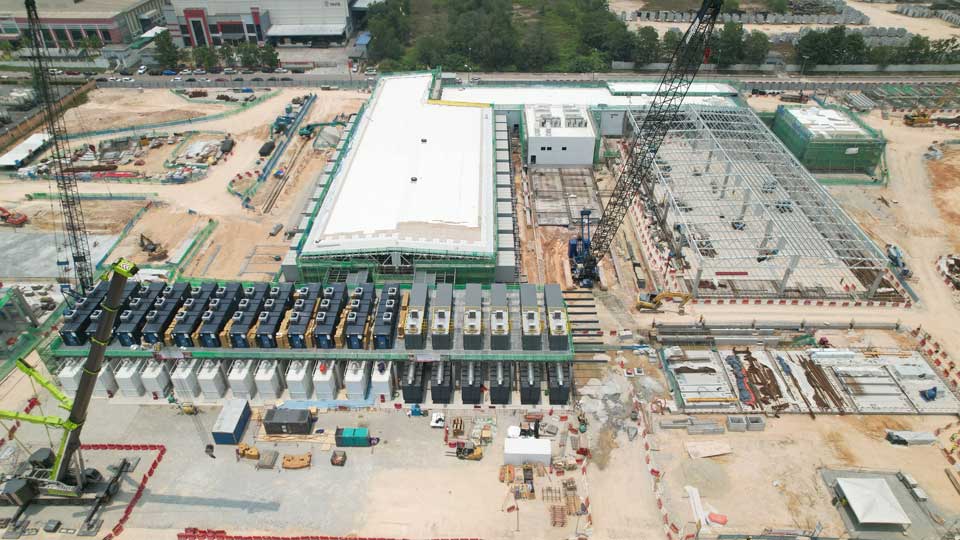
Since 2024, Malaysia has emerged as a main data center hub in ASEAN, challenging Singapore’s long-standing dominance. As of early 2026, Malaysia has 34 existing data centers with 33 upcoming, according to data from the Malaysia Digital Investment Department.
However, this rapid growth is starting to test the country’s capacity limits. Data centers require massive power to keep them running and large volumes of water for cooling. As more facilities build up, electricity and water demand are rising rapidly and that is starting to strain local infrastructure.
Last week, the Malaysian government announced a pause in the development of non AI-driven data centers, due to water shortages and power supply constraints. But this is only a temporary measure. If Malaysia intends to remain at the center stage of ASEAN’s data center expansion, it needs to secure a sustainable power and water supply pathway, as demand is expected to grow exponentially in the coming years.
According to think tank Ember, the data center build up could drive electricity demand up by 59 TWh by 2030 in Malaysia, equivalent to the Philippines’ annual electricity demand. This means a structural change in Malaysia’s power demand pattern rather than a temporary increase.
Emerging Industry
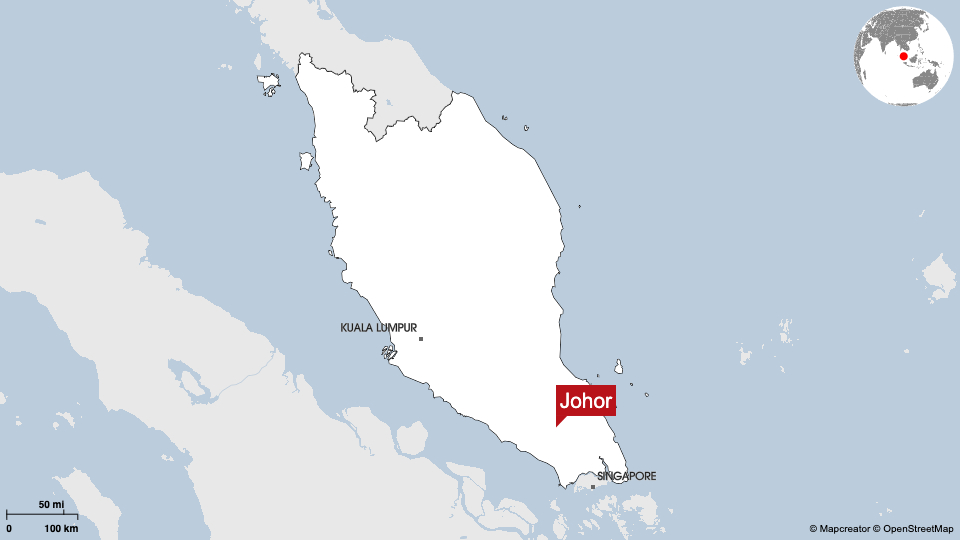
Malaysia’s data centers are concentrated near Johor, specifically within the newly operationalized Johor-Singapore Special Economic Zone (JS-SEZ). With strong policy support from the Malaysian government and relatively lower land prices, Johor has attracted top global technology companies.
In 2023, NVIDIA partnered with local company YTL to build a $4.3 bn AI data center in Johor. In February 2025, Microsoft acquired its second site for around $143M. ByteDance planned $2.1bn to expand its facilities. These investments show the confidence in Malaysia as a long-term digital infrastructure hub.
The investments have been driven by supportive policies, proximity to Singapore’s established data center ecosystem, and relatively lower operating costs. The Malaysia Investment Development Authority provides tax allowances of up to 100% for eligible data center and digital infrastructure investments. The national grid company TNB offers the Green Lane Pathway, ensuring the data centers can be connected to the power grids within 12 months after approval.
China’s Dual Role
Data centers require stable electricity supply 24/7. Johor has experienced several power disruptions amid mounting demand, although supply was restored quickly and no major damages were reported. Still, these incidents highlight growing stress on the local grid.
Malaysia’s power system is still heavily dependent on fossil fuels. In 2023, more than 75% of electricity generation came from coal and gas. Without structural changes to the energy mix, rapid data center expansion will drastically increase power sector emissions and lock in fossil fuel dependence for the long run.
The challenge is not in renewable potential. Malaysia has massive solar and hydropower resources. The real constraint lies in grid infrastructure, transmission capacity and the ability to integrate clean electricity while maintaining 24/7 supply for energy-intensive facilities like data centers.
China is not only a major source of investment in Malaysia’s data centers, but is also involved in upgrading the energy infrastructure that powers them. In 2025, DayOne, formerly the international arm of Chinese data center operator GDS Holdings, invested $3.5 bn in Johor, one of the biggest investment flows in Asia. China is also involved in Malaysia’s broader energy infrastructure. PowerChina participates in energy projects including gas power plants and hydropower, while Huawei is involved in smart grid upgrades.
This relationship is becoming crucial as innovative solutions from Chinese firms – such as the 1 GWh “Solar-Storage-Computing” project announced by Tianneng Group in early 2026 – offer a way to leverage clean energy while stabilizing the local power supply. By providing both the capital for facilities and the technology to meet their utility demands, the partnership with China is a fundamental element of Malaysia’s ability to sustain its data center boom.
Scale Up the Green Grid
Malaysia’s cost advantage is around 22% lower than Singapore, and comparable to Indonesia and Thailand. Combined with a skilled workforce and relatively stable power supply, Malaysia possesses structural advantages to become ASEAN’s primary data center hub.
But this advantage is not guaranteed. As electricity demand accelerates and environmental concerns intensify, Malaysia faces a narrow window to reinforce its grid, expand clean energy integration and secure long-term water resilience.