The shifting tides of global trade are positioning Indonesia as a potential winner, as companies seek alternatives to China amid ongoing U.S.-China trade tensions. But there’s a catch: businesses want the government to clean up its regulations before they commit.
Deputy Minister of Industry Faisol Riza on Tuesday at a forum of economists described the situation as “exciting but also worrisome. Worrisome because we’re not fully prepared to handle the potential wave of investment if this happens,”
Faisol Riza explained that this shift could offer Indonesia significant benefits, but only if the country is ready to meet investor demands.
“We suspect they believe it’s better to move their industries to Southeast Asian countries, so they can export directly to the U.S. without incurring additional costs,” Faisol said.
Coordinating Minister for Economic Affairs Airlangga Hartarto echoed the urgency, highlighting the expectations of potential investors. “They want policies that, of course, improve labor welfare,” Airlangga said on Wednesday from his Jakarta office.
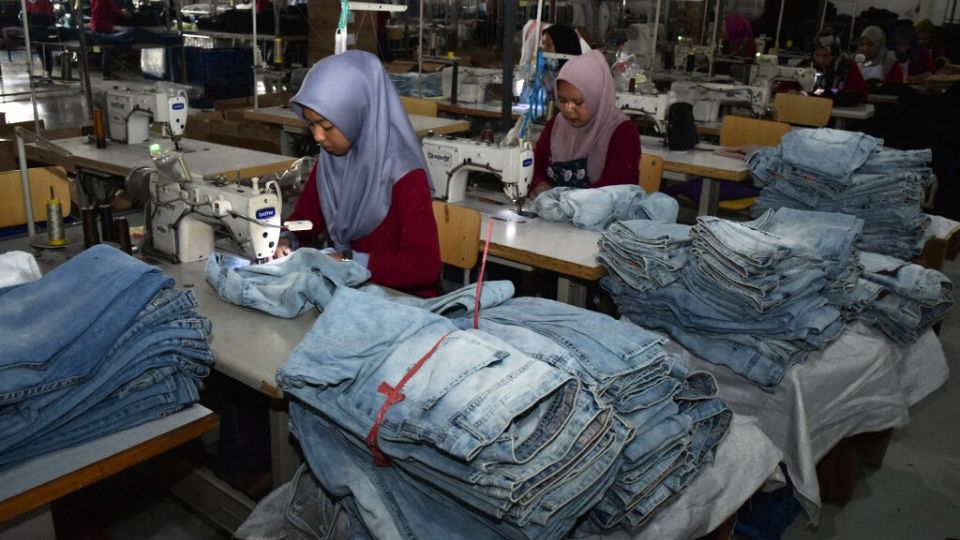
At least 15 major manufacturers, mostly in textiles, are eyeing Indonesia as part of the “China Plus One” strategy, which reduces reliance on China amid escalating U.S.-China trade tensions.
Investors have one condition, Airlangga said, the factory must run on green energy. The reason? Global markets now scrutinize not just the final product but the production process too. “They want the shoes made with renewable energy. That’s the current global demand,”
Airlangga confirmed the interest at the end of October but noted the companies are still surveying potential locations, with no commitments finalized.
“They plan to relocate their factories to Indonesia because most of them operate in China. The current global situation and policies from U.S. buyers require a China Plus One strategy, which opens up big opportunities for Indonesia,” Airlangga said.
China Plus One is a company strategy in China looking for alternative countries to expand the market and reduce dependence on the domestic market.
The push comes as U.S. President Donald Trump moves to reimpose tariffs on Chinese goods, reigniting the trade war and prompting companies to explore Southeast Asia for easier access to the U.S. market.