This is a free preview of the upcoming Africa EVs Weekly Digest, part of the new CGSP Intelligence service.
Electric vehicle (EV) adoption sometimes feels like a see-saw, with some weeks showing progress and others regression. The reality is that, despite limited charging infrastructure, EVs are gaining traction and adapting to current needs.
This week, Chinese EV tech adapted for local use is impacting various sectors, including agriculture and transportation.
In addition, EV numbers continue growing despite challenges in charging infrastructure. Ethiopia also continues to set the tone in crafting policies that could encourage widespread EV adoption.
This week in Africa’s EV scene:
Ethiopia’s Policy Propels Rapid EV Adoption
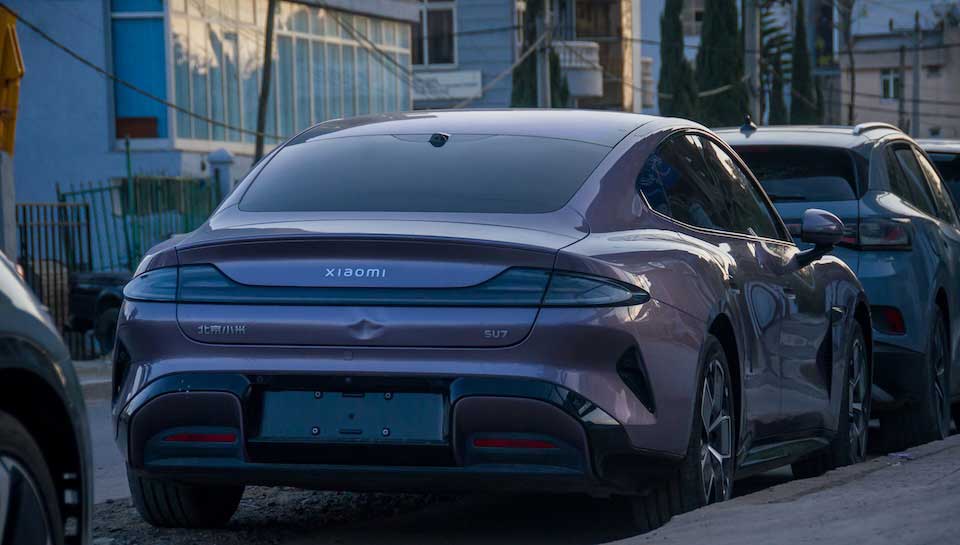
Ethiopia now leads Africa’s electric mobility adoption, having overtaken Ghana. The country now has more than 115,000 EVs on the road (out of roughly 1.5 million across the continent).
Why This Matters: The acceleration of EV growth in African countries will likely be driven by decisive actions, such as Ethiopia’s pro-EV policies. This also lays the foundation for EV stakeholders in other African countries to push their governments to create enabling environments for the sector to thrive.
EVs Gain Traction in Nigeria Despite Limited Charging Infrastructure
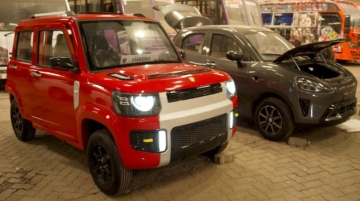
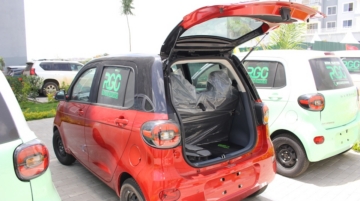
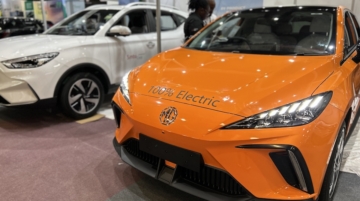
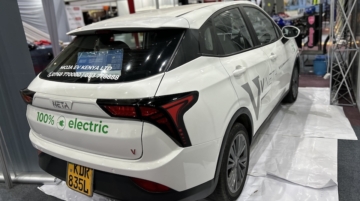
EVs are proving to be dependable options for drivers in Nigerian cities, even as public charging infrastructure remains limited.
Why This Matters: While public chargers remain few and far between and consumers remain dependent on home charging, battery storage offers investors an accessible entry into Nigeria’s EV value chain.
Electric Motorcycles Part of Kenyan Dairy Farmers’ Society’s $3.5 Million Partnership
A dairy farmers’ cooperative society in Kenya’s central region has launched a fleet of 19 electric motorcycles for use by its extension officers in a two-year $3.5 million partnership project.
Why This Matters: Kenyan agriculture faces a myriad of challenges, including the shortage of extension officers who have to travel long distances to address farmers’ needs. The electric motorcycle initiative shows how EV technology is impacting daily life, creating opportunities across productivity sectors.
Stellantis Targets African EV Markets With Parts From Morocco
Stellantis, a transnational vehicle manufacturer with operations in Morocco, will start exporting its Fiat Tris electric three-wheeler assembly kits from the North African country to the wider African market.
Why This Matters: Several African companies assemble electric three-wheelers using kits imported mainly from China and India. Stellantis brings new dynamism to sourcing, which could also reveal challenges in intra-African trade.
CHARGE Calls for EV Duties Review in South Africa
South Africa’s vehicle charging company, CHARGE, has urged the country’s Finance Minister, Enoch Godongwana, to bring EV import duties into line with those imposed on internal combustion engine cars and eliminate the ad valorem tax on EVs.
Why This Matters: South Africa is Africa’s largest vehicle market. Its automotive sector is currently smarting from tariff challenges. The competition between EVs and ICE vehicle manufacturers could shift vehicle ownership dynamics with better prices, terms, and overall quality.
In context
The electric vehicle market in many African countries is unpredictable, and policy swings are affecting manufacturing and ownership.
However, these challenges don’t preclude innovation. Solutions are emerging across the continent, despite occasional bottlenecks.
The takeaway:
Ethiopia is a case study of how policy innovation can help African countries struggling with huge fuel import bills and gaps in local automotive manufacturing.
However, progress depends on stakeholders pushing for change and new policies that open up the sector to stimulate vehicle manufacturing.