This is a free preview of the upcoming Africa EVs Weekly Digest, part of the new CGSP Intelligence service.
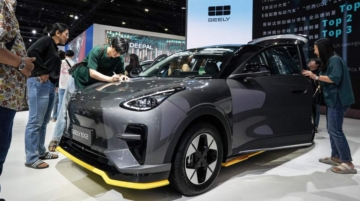
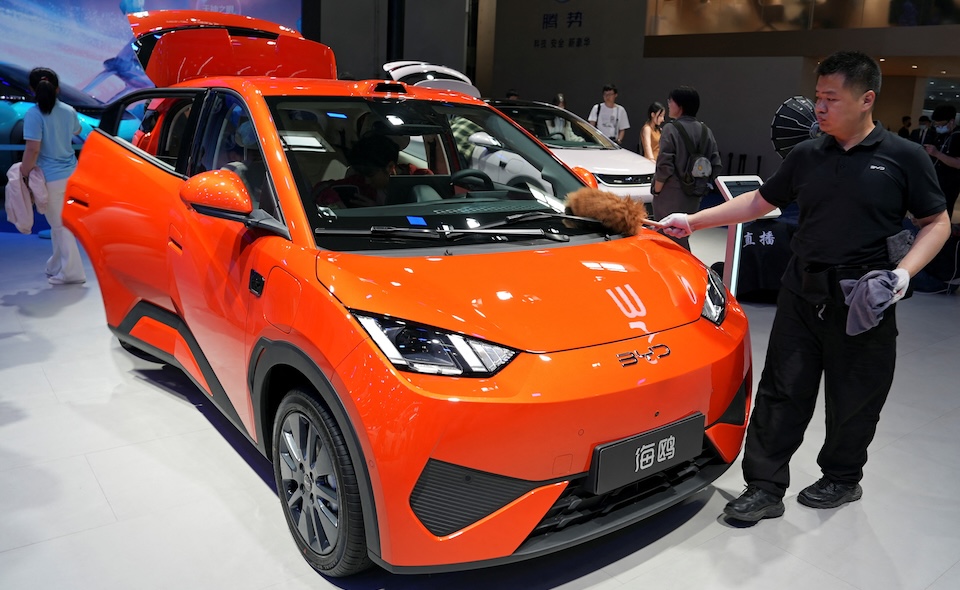
The 2026 Beijing Auto Show is underway this week, running until May 3. The rundown is highlighting pricing discrepancies between China and other markets, such as the U.S. Because they also serve as sources of second-hand vehicles for some African and Global South countries, the show forecasts global trends.
These differences can be stark, with the cost of one car in the U.S. matching that of buying five new Chinese EVs and leaving some change. Yet, these differences are even wider in the Global South. Second-hand vehicle prices remain so high in countries like Kenya that an eight-year-old car can cost almost as much as a new American one. Despite lower incomes and weak manufacturing bases, some developing countries remain at the mercy of dealers who set prices, while local taxes push costs even higher.
The simplest way out is local assembly. By joining the electric vehicle supply chain, countries in the Global South can build domestic industries, lower costs, and move away from expensive second-hand imports.
This week in Africa’s EV scene:
Zimbabwe Plugs Into the EV Value Chain With Lithium Processing, Exports
Zimbabwe has shipped its first batch of locally refined lithium sulfate, marking a step forward in processing its own minerals. The move pushes the country further into the global battery supply chain, where African raw materials are often exported cheaply and later sold back as higher-value products.
Why This Matters: Local jobs are the most immediate benefit, but the bigger prize is building an industry around lithium processing. That first step could push Zimbabwe toward battery manufacturing, helping develop local skills and capacity.
Rwanda’s 30% Fully Electric Government Vehicle Procurement Requirement
Rwanda has ordered public institutions to make electric vehicles account for 30 percent of all new purchases, aiming to reduce reliance on petroleum. In a circular dated April 14, the Ministry of Infrastructure told budget managers to include the requirement in their procurement plans.
Why This Matters: The government’s shift to EVs will likely boost confidence among buyers who may have been hesitant. In addition, the shift strengthens the country’s bottom line by reducing fuel import costs, which can be reinvested in other sectors of the economy.
The Chinese Electric Vehicle Boom Has a New Frontier, and It’s a Kenyan Cornfield
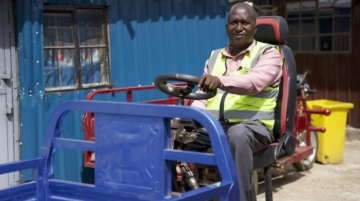
Kenyan electric vehicle startups are adapting Chinese technology for everyday use, including in agriculture, the country’s largest employer.
In a village in Embu County, about 130 kilometers northeast of Nairobi, some farmers are using a small locally built electric cart to haul irrigation pumps, fertilizer, and crops between their fields.
Why This Matters: Agriculture remains one of the most underfunded sectors in many African countries, making mechanization inconceivable for many. Yet, the sector also offers many opportunities for innovators and entrepreneurs. They offer the chance to create long-overdue solutions, and scaling them will offer the business returns.
China and Mozambique Strike Major Minerals Deal
Mozambican President Daniel Chapo’s first official visit to China was spent promoting the country to Chinese investors. The trip has resulted in a major minerals deal focusing on graphite, lithium, and rare earth minerals, which are used to produce EV batteries and renewables.
Why This Matters: Beijing reportedly plans to fund local processing plants, railways, power networks, and industrial corridors, signaling a shift from raw extraction to adding value on the ground. However, the fact that many of these minerals are in the conflict-ridden Cabo Delgado region raises significant complications.
Kia Cuts Prices in Europe
The South Korean company’s moves will not only take on Chinese competition but could increase the flow of second-hand vehicles into Global South countries, especially Africa. This could delay the continent’s shift to newer vehicles and delay its EV transition even further.
Why This Matters: Kia’s adjustment could fuel a price war in Europe, with the effects being felt by buyers beyond the continent. If it puts sufficient pressure on Chinese automakers in Europe, Africa, and other low-income countries could benefit from redirected flows of Chinese EVs.
Mexico Pushes Back as Argentina Opens up on Chinese EVs
In January 2026, Mexico imposed a 50% tariff on vehicles from countries without reciprocal free trade agreements, which was seen as targeting China. In response, BYD canceled plans for a Mexican assembly plant, citing trade security concerns. In contrast, Argentina’s open doors saw BYD unload over 5,800 EVs in the country, taking advantage of a policy allowing up to 50,000 EVs to be imported tariff-free.
Why This Matters: South American countries are emerging as a battleground for Chinese and American interests across various sectors. Regional Chinese EV dominance would be akin to taking the battle to the U.S.’s doorstep. While this could make vehicles more affordable regardless of the source, it could also increase geopolitical pressure on South American governments.
BYD Mako Confirmed for Brazil
BYD says its next utility vehicle will be called the Mako in South America. The Brazil-built plug-in hybrid seeks to build on the success of the company’s Shark 6 pickup.
Why This Matters: Fierce competition at home is pushing Chinese automakers to look abroad. Selling overseas offers a lifeline, creating jobs in host countries and giving early entrants access to tax breaks and other incentives.
BYD’s Bank Partnership in Kenya Signals Growing Footprint, EV Adoption
CFAO Mobility Kenya, a subsidiary of Toyota Tsusho, has delivered its first corporate fleet of plug-in hybrids in Nairobi to SBM Bank Kenya — one BYD Shark 6 and four BYD Sealion 6 models. CFAO Mobility sells vehicles across Africa, including BYD.
Why This Matters: Official use of electric vehicles by corporations will have a trickle-down effect and build confidence among regular users, which could increase their numbers on Kenyan roads. What remains to be seen is if this increased adoption will see the government reduce layered taxes which make affording new vehicles impossible for ordinary buyers.
India’s Mahindra Plans First Electric Bus Within a Year
India’s Mahindra, which sources some electric vehicle components from China, including batteries from BYD, is preparing to enter the electric commercial vehicle market by introducing its first electric bus by the end of the financial year. Executives say that this initial push into cleaner mobility is dependent on commercial viability and returns.
Why This Matters: Mahindra’s cautious move underscores a wider gap: China produces electric vehicles at scale and low cost, while adoption across the Global South remains slower, held back by weak demand, limited infrastructure and tight financing. The company could position itself as an alternative to Chinese suppliers for buyers and assemblers, particularly in Africa, where proximity may offer an edge.
In context
The 2026 Beijing Auto Show highlights a stubborn gap: even as incomes lag, many countries in the Global South still rely on costly used imports. Now, African nations and others are pushing local assembly, new supply chains and greater competition to cut that dependence and speed up electric vehicle adoption.
The takeaway:
Even as cheaper new electric vehicles proliferate elsewhere, many Global South countries remain stuck with expensive second-hand vehicles which stymie their local automaking industries while increasing pollution and waste accumulation. The shift toward new supply chains suggests a growing push to break that dependence and accelerate the transition to electric mobility.