This is a free preview of the upcoming Africa EVs Weekly Digest, part of the new CGSP Intelligence service.
Several countries are racing to electrify their mobility sectors, driven by disruptions in the Strait of Hormuz following the attacks on Iran by the United States and Israel. They are betting on cutting fuel imports to reduce reliance on foreign oil and to create new business opportunities at home.
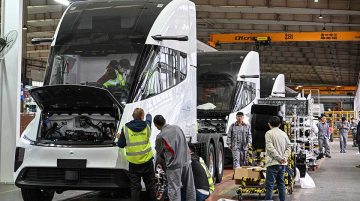
At the same time, countries with electric vehicle (EV) capacity- either full manufacturing or assembly using imported components- are doubling output as demand for electric mobility grows.
Chinese automakers are expanding aggressively abroad, while also investing in upskilling workforces in their target markets. The competition is lowering costs and reshaping markets, with ripple effects likely to reach the Global South through trade and second-hand vehicle flows.
This week in Africa’s EV scene:
Ethiopia’s Ambitious EV Target
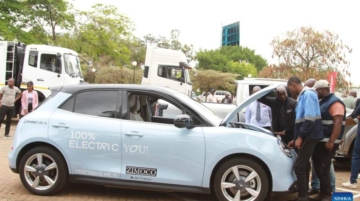
Ethiopia, buoyed by annual economic growth of about 7 percent, is setting an ambitious pace in electric mobility, aiming to put half a million electric vehicles on its roads by 2030 — just four years from now. The East African nation is advancing in areas where some of the region’s larger economies have yet to gain traction.
Why This Matters: With more EVs on its roads, the country’s ledger will benefit from both savings on fuel imports and new business opportunities created by the EV shift.
Iran War Spurs Demand for Kenyan E-Bike Maker
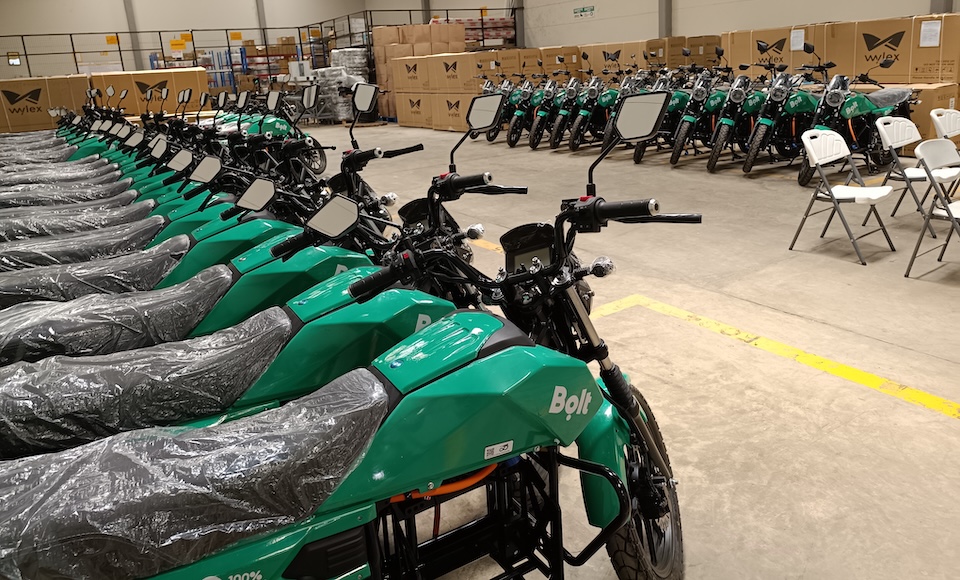
Roam Electric, a Kenyan maker of electric motorcycles, is ramping up its growth plans after demand for its bikes doubled amid the oil shock triggered by the Iran war. The company now plans to double monthly production at its Nairobi factory as consumers turn away from gasoline-powered models.
Why This Matters: As global economic volatility deepens, African countries are being pushed to find their own solutions, particularly in transport, where dependence on imported vehicles and fuel remains high. The U.S.-Israeli attacks on Iran, while disruptive, may hasten the continent’s shift to electric mobility and open new opportunities in the sector.
Chinese EV Manufacturers Growing in South America
Chinese electric vehicle makers are pushing deeper into South America, capitalizing on an opening as Europe faces uncertainty about a trade deal with the South American economic bloc Mercosur. From Brazil to Argentina, a high-stakes contest is taking shape over who will dominate the region’s auto market and define what people drive in the years ahead.
Why This Matters: Fierce competition at home is pushing many Chinese electric vehicle makers to look beyond their domestic market. In South America, success will hinge on which companies can offer the most affordable and practical models, offering a potential lifeline to brands under pressure in China.
Chinese Competition EVs Cheaper Than Gasoline Cars in the UK
Britain’s largest auto marketplace, Autotrader, says electric cars now cost less to own than gasoline vehicles, with lower upfront prices tipping the balance. The shift may soon be felt far beyond Britain, as African countries that rely on imported used cars begin to see more electric models enter their markets.
Why This Matters: Both electric and gasoline vehicles will eventually enter African markets and other Global South countries as they are resold after their initial use. The second-hand trade is likely to shape how quickly countries shift toward electric mobility.
BYD’s Intensive EV Training for South African Students
BYD South Africa, in partnership with the Department of Higher Education, sent technical and vocational students to Beijing Polytechnic College for six months of intensive training in electric vehicles. Some have since secured positions at dealerships across the country.
Why This Matters: South Africa’s unemployment crisis falls hardest on young people, and efforts to train them in electric vehicle skills could open up direct job opportunities. It may also give rise to a wider network of businesses across the EV ecosystem.
In context
Africa and other emerging markets in the Global South are accelerating their shift to electric mobility, driven by global disruptions, rising fuel costs, and new industrial opportunities. At the same time, China is intensifying competition, reshaping EV supply chains and markets with long-term implications for who builds, sells, and benefits from the future of transport.
The takeaway:
Africa’s shift to electric mobility is accelerating, not necessarily by choice, but driven by global shocks, local innovation, and strategic investment in skills and manufacturing. The transition is becoming both an economic necessity and an opportunity to build resilient, homegrown industries that could survive economic upheavals.