This is a free preview of the upcoming Africa EVs Weekly Digest, part of the new CGSP Intelligence service.
Many African nations find themselves in a paradoxical moment regarding electric mobility. They sit atop some of the world’s richest deposits of cobalt, lithium, and nickel — the very minerals that power the global electric-vehicle revolution. Yet the vehicles built with these resources remain largely out of reach for most Africans. It is a dilemma that exposes the continent’s uneven place in the emerging clean-energy economy: indispensable to the supply chain, but too often excluded from its benefits.
But with the increasing demand for cleaner and affordable transport, building a continental value chain for EVs, from mineral refining to battery production, to final assembly of cars, buses, motorcycles, and tricycles could address this problem.
And with all the innovations in the private sector, governments have a template they can build on, especially in the two-wheeler sector, which is the fastest-electrifying mobility sector across the continent. This week’s developments show why governments may be late to the party since the advance of e-mobility is not waiting for policy developments.
This week in Africa’s EV scene:
China Flooding Global Markets With Gasoline Cars It Can’t Sell at Home
While Western nations’ markets and policy makers focus on the rise of Chinese electric vehicles, China’s legacy automakers are flooding emerging and second-tier markets with low-cost, gasoline-powered cars. This is done by often undercutting partners and creating a different shift which is remaking the global auto industry.
Why This Matters: South Africa is among the countries receiving these vehicles which has a lot of bearing on how these vehicles are seen across the continent. However this plays out, gasoline vehicles may remain a fixture of African roads much longer than they will be on Chinese or other Western countries’ roads based on purchasing power and policies.
Roam Unveils Africa’s First Universal Fast-Charging System for Light Electric Vehicles
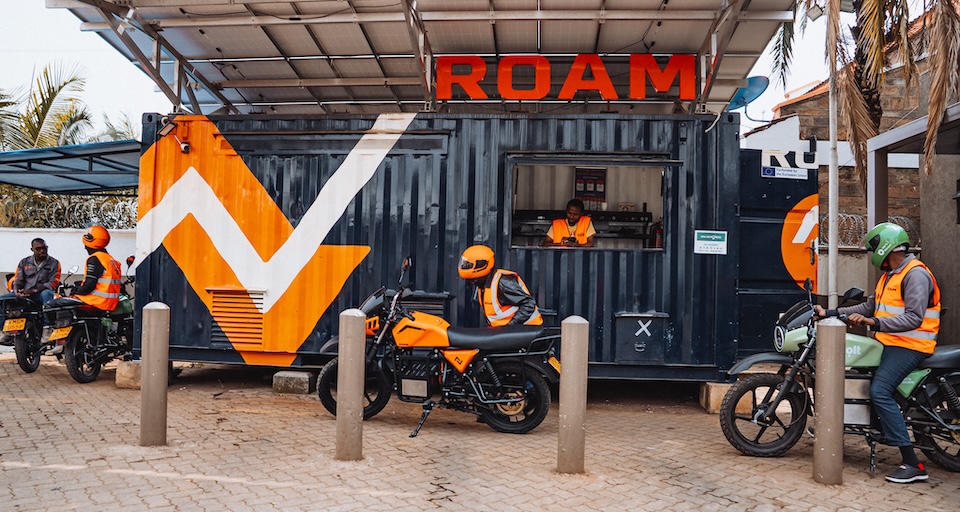
Roam Point, Kenya’s first fast-charging station designed for any light electric vehicle — a milestone that signals the beginning of a broader national charging network. The new charging solution by electric motorbike maker Roam delivers 10 to 20 kilometers of range in under five minutes. It operates entirely on a self-service model, reflecting a push toward convenience and round-the-clock accessibility.
To address incompatible charging systems, the charger is equipped with Type 6 connectors and built on open-charge standards, supporting all light electric vehicles that adhere to those specifications.
Why This Matters: Charging systems remain a challenge worldwide. African solutions are localizing to address the immediate challenges. Seamless charging options represent a golden opportunity for investors, especially in areas where mass mobility is likely to grow in the coming years.
Proparco Backs BasiGo For Electric Bus Expansion in Kenya And Rwanda
Nairobi-based BasiGo is expanding its electric bus fleet in Kenya and Rwanda to speed the shift away from diesel and strengthen local charging and assembly capacity.
The recent backing from France’s Proparco comes as BasiGo aims to expand from its current fleet of roughly 100 buses to 1,000 by 2027. This follows the company’s $42 million Series A round last year, which helped double its monthly assembly output.
Why This Matters: The emerging mass-transit e-mobility sector in African countries is becoming a real game changer, where there are no reliable public transport systems. It also offers low-hanging fruit for investors.
Uber’s Chinese EV Minicars For its South African Budget Option
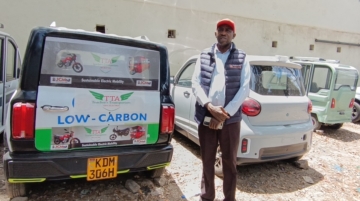
Uber has begun deploying compact electric vehicles from China, opening a fully electric ride-hailing option to the South African market. The move marks one of the company’s most significant steps toward electrifying its operations on the continent.
The project kicked off with the rollout of the Henrey four-seat minicar imported by Valternative Energy, a South Africa–based clean-mobility company.
Why This Matters: South Africa is the continent’s largest vehicle market, and the success of these minicars in its ride-hailing sector could help accelerate electric-vehicle adoption across the region. By putting the cars directly into service, Uber may be offering them their most visible and influential test yet.
BYD Recalls Nearly 89,000 Qin Plus DM-i Sedans Over Battery Power Risk
BYD has recalled 88,981 units of its Qin Plus DM-i plug-in hybrid sedan after Chinese regulators identified potential battery faults that could limit electric output. The recall affects two production batches: 52,890 vehicles built between September 26, 2021, and September 23, 2023, and 36,091 vehicles manufactured between January 7, 2021, and September 30, 2022.
Why This Matters: The BYD Qin Plus DM-i Sedans are sold in North Africa. The battery issues raise security and reliability concerns, which could make buyers cautious about buying a Chinese EV. Depending on how this plays out, pro-petrol and diesel buyers will have a field day pointing out EV weaknesses, which may slow EV adoption.
In context
Africa’s electric-mobility sector is in a pivotal phase, as the continent seeks to turn its vast mineral wealth and fast-growing demand for clean, affordable transport into a homegrown EV value chain. And as this plays out, private innovators are surging ahead of policy to solve charging, transit, and affordability gaps.
The takeaway:
Africa’s electric-mobility sector is advancing faster than its policy frameworks can keep up. However, this ends up stymying the sector’s growth across the continent. With few governments open to the e-mobility shift, the EV revolution remains largely untapped, slowing down adoption by making the available innovations expensive to the regular user.