This is a free preview of the upcoming Africa EVs Weekly Digest, part of the new CGSP Intelligence service.
Different forms of electric vehicle (EV) technology innovations are occurring in different African countries. As newer technology arrives, there is a small shift in the uptake of second-hand EVs across sectors beyond public transport.
Two and three-wheeled vehicles are leading the charge to electrification and are also attracting more funding.
This shift to technologies that use critical minerals comes amid conversations on how African countries can benefit more from their own resources by processing them locally.
This week in Africa’s EV scene:
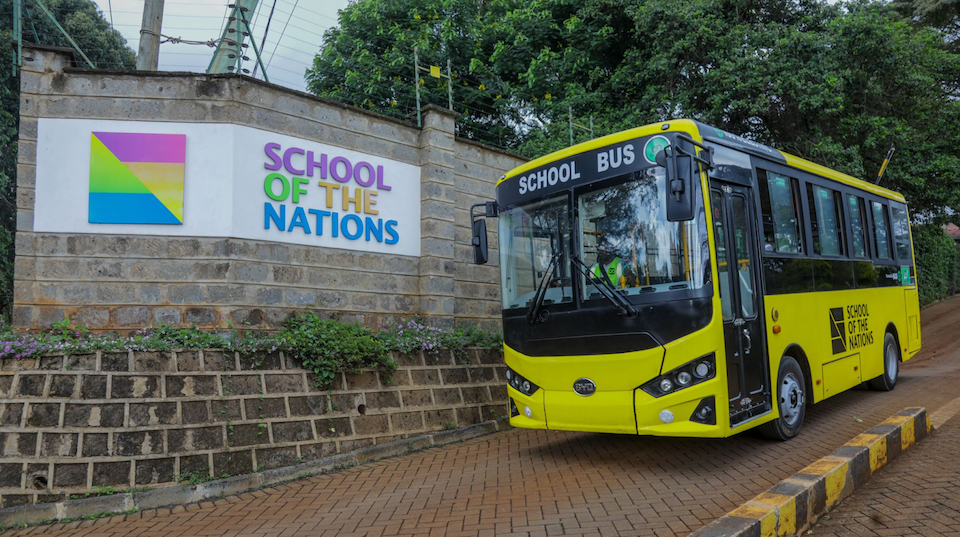
Kenyan School Buys First Refurbished Electric Bus
The School of the Nations in Nairobi has become the first school in Kenya to acquire an electric school bus, setting a new benchmark for sustainable student transport. The 25-seater BYD electric bus, imported by BasiGo in 2023, has proven its durability over three years in Nairobi’s public transport system. Now refurbished to near-new condition, it is the first of 11 electric vehicles that will transition the school’s entire fleet to electric by 2026.
Why This Matters: E-mobility solutions tailored to specific sectors are crucial for the larger electrification revolution. The refurbished electric bus points to how these can be achieved via cross-sector inputs. With the need to reduce fuel costs, the demand for electrified mobility will continue growing, and early adopters will become the pacesetters.
South Africa’s EV Truck Charging Fashioned After WattEV in California and Milence in Germany
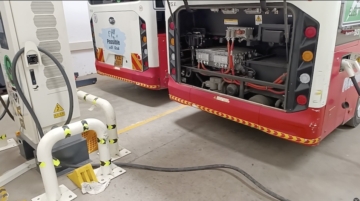
The Cape Town-based EV charging company, Zero Carbon Charge, is pioneering a shift toward clean logistics, with solar-powered charging hubs designed specifically for heavy-duty electric trucks.
Why This Matters: After successfully demonstrating the charging of a heavy-duty electric truck using solar power, Charge is moving from experiment to expansion. The company’s success is a case study that can be replicated across the continent and elsewhere, where charging infrastructure remains limited.
Indian EV Company Opens Factory in Tanzania
The Indian EV startup, Plug N Ride Motors, has completed the construction of its assembly plant in Dar es Salaam, Tanzania – its first production facility in Africa. The company, which makes electric motorcycles and tuk-tuks, has said it will launch its product range “soon”.
Why This Matters: The EV sector in several African countries is dominated by Chinese suppliers, and the Indian company’s entry could increase competition and trigger sector-wide improvements.
Lexus Targets South African Buyers With Premium Electric SUV
Lexus has introduced its RZ premium EV to the South African market, marking the luxury brand’s first fully electric vehicle in the country. It is built on the same e-TNGA platform as the Toyota bZ4X, which is set to arrive in South Africa later this year.
Why This Matters: South Africa’s vehicle market is a testing ground for brands targeting some of the continent’s most affluent drivers. Toyota’s entry could challenge Chinese EVs’ allure with its established market equity, and it will be revealing to track its success.
CHARGE Calls for EV Duties Review in South Africa
Stellantis Morocco has introduced specialized insurance coverage for select electric vehicles after acquiring a majority stake in AXA Assurance, a local insurance firm. The partnership will offer standard protection along with financial safeguards in the event of a total loss.
Why This Matters: Since EVs are expensive, tailoring insurance to include charging equipment, battery protection, and roadside rescue would boost consumer confidence in and the popular uptake of the technology.
In context
Africa’s electric vehicle ecosystem continues to evolve, with offerings that challenge barriers to e-mobility adoption, despite occasional bottlenecks that hinder progress.
The takeaway:
The refurbished electric bus acquired by the Kenyan school, insurance offering in Morocco, and solar charging in South Africa show that the continent is not short of ideas and innovations to address current mobility challenges, even as funding remains a challenge.