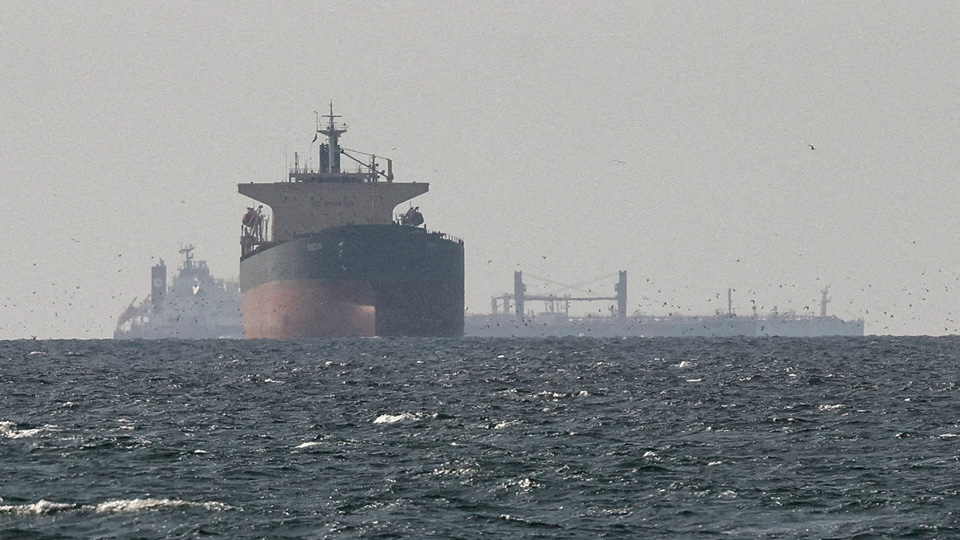
The Two Sessions, China’s most important annual political gathering, where leaders unveil economic targets and policy priorities, closed in Beijing earlier this month just as the U.S.-Israeli war on Iran was intensifying. The timing was not coincidental.
The 15th Five-Year Plan had been in preparation for two years, and its energy section reads, in retrospect, like a checklist for the crisis the world is now confronting: domestic renewable capacity and storage growth, sustained fossil fuel production, coal kept as a structural buffer, grid resilience, and cross-regional transmission built out.
As the final work plan was published, the head of the National Energy Administration ran a companion article with a strong operative instruction: “safeguard energy security.”
The energy crunch that most countries, including China, are now grappling with, brought on by the closure of the Strait of Hormuz, validated the logic in those Chinese policy documents almost immediately. China, more than most other countries, was better positioned thanks to nearly two decades of stockpiling 1.2 billion barrels of crude, roughly 108 days of import cover, combined with 1.4 terawatts of operating renewable capacity that cushioned the domestic grid from the Liquified Natural Gas (LNG) market volatility that devastated neighbors.
To be sure, China did not fully escape the shock, but the buffer has so far allowed it to weather the initial turbulence better than most other major economies.
The same industrial logic that built China’s domestic buffer and massive production of solar, batteries, and storage is also what the plan proposes to export to the Global South. The five-year plan also leaned into the framing of China as a “responsible major power” steering (引领) global climate action through “South-South collaboration” and “global public goods.”
What Does China’s “Global Public Goods” Offer Really Mean
The concept is inseparable from China’s domestic industrial situation. Years of state-subsidized clean energy manufacturing produced massive overcapacity, more solar panels, batteries, and grid equipment than the domestic market could absorb.
Exporting that surplus to the Global South at competitive prices became an economic necessity and diplomatic narrative: China was not offloading excess production; it was enabling developing countries to decarbonize.
In international relations, a global public good benefits everyone and excludes no one, for example, the open sea lanes, the internet, and a stable climate. China uses the term differently to describe bilateral technology exports and development loans that target specific recipients, include specific repayment terms, and have long contract tenures. The gap between the label and the reality is where the criticism starts.
Over the past decade, China’s clean energy exports to Southeast Asia came with terms: debt at policy bank rates, Chinese technical standards that locked in further procurement, and in the most extreme case, Laos, whose national grid operator was leased to China Southern Power Grid for 25 years for what was owned.
Southeast Asian governments know this, and several have been deliberately keeping Chinese operators at arm’s length from critical infrastructure. The crisis has not changed what China is offering; it has raised the cost of refusing it.
How the Crisis Impacted Southeast Asia
The crisis did not hit the region evenly. It exposed the specific shape of each country’s energy choices, and how far each had gone in accepting or resisting Chinese energy infrastructure on Chinese terms.
In doing so, it made the variable of Chinese infrastructure and investment impossible to ignore.
The Philippines
The Philippines declared a national energy emergency on March 24, becoming the first Southeast Asian country to do so. 98% of the Philippines’ crude oil importation comes from the Middle East, and 97% of its liquid petroleum products are imported from Asian refineries that are themselves dependent on the Persian Gulf. Energy Secretary Sharon Garin confirmed that the country had roughly 45 days of fuel remaining.
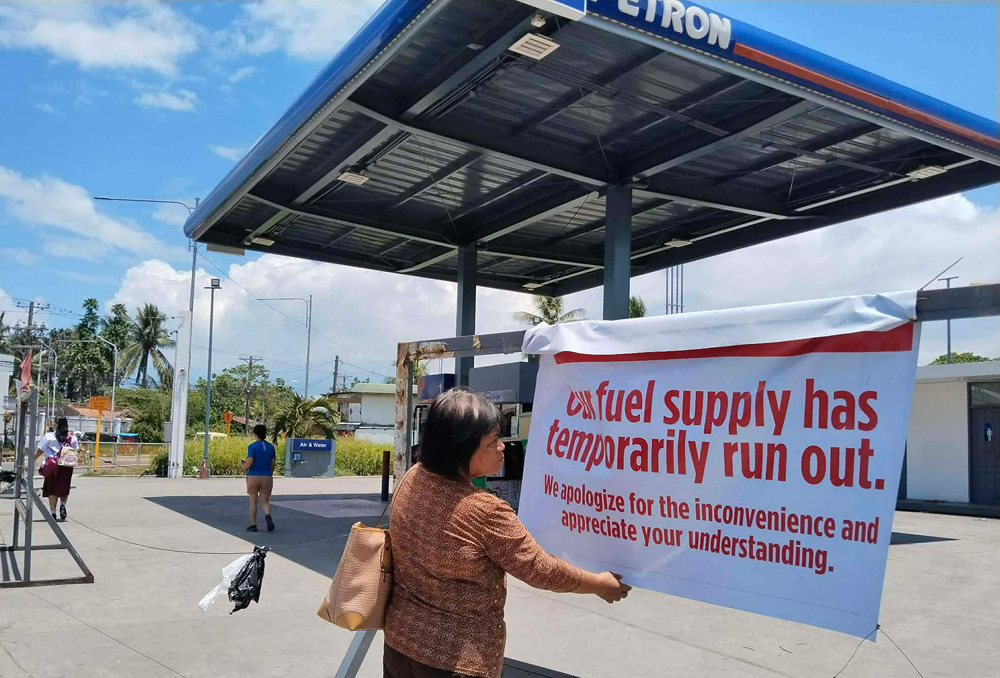
The crisis carries a sharp paradox.
The Philippines has the most Chinese-integrated transmission network in Southeast Asia; the State Grid Corporation of China owns 40% of the National Grid Corporation of the Philippines. But a sophisticated grid cannot run on an empty fuel supply. By keeping Chinese firms out of the generation, citing sovereignty concerns, the country remained 98% dependent on Middle Eastern oil. When the Strait of Hormuz closed, the grid had nothing to move.
Indonesia
Indonesia faces a different problem. The government moved quickly to subsidize fuel prices to prevent domestic unrest, as it has in every previous oil shock. Those subsidies are expected to push the budget deficit above 3% of GDP, breaching the legal fiscal cap that has long anchored investor confidence in Southeast Asia’s largest economy. Rather than restructuring in response to the crisis, the government is choosing to absorb it.
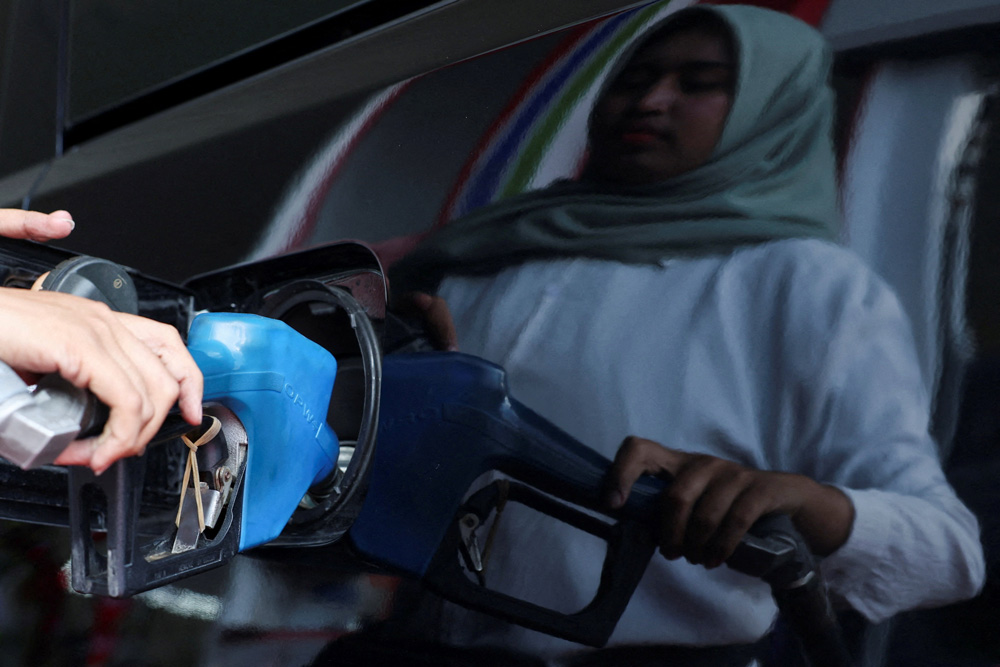
Indonesia is arguably China’s closest economic partner in the region, particularly in the nickel and battery supply chain, where Chinese capital and technology have reshaped the country’s industrial base. However, that integration has been concentrated in extraction and manufacturing, not in energy storage, grid resilience, or import diversification infrastructure that would have been critical in a Hormuz disruption.
Laos
Laos barely registered the shock. Its electricity sector is built almost entirely on Chinese-financed hydropower, developed over the past two decades under a series of concession agreements that gave Chinese state firms the majority of generation capacity in exchange for financing and construction.
That model drew sustained criticism: debt dependency, revenue repatriation, and sovereignty trade-offs. What it also produced was a power grid structurally insulated from LNG price volatility, Persian Gulf supply routes, and the refinery dependencies that crippled neighbors.
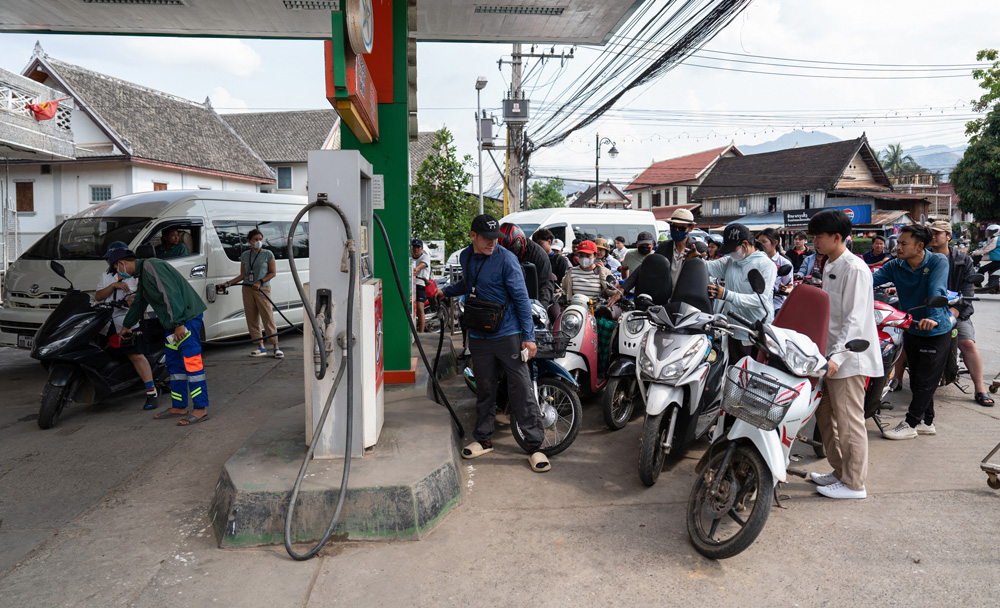
When the Hormuz disruption sent regional energy markets into crisis, Laos had no major exposure. Its lights stayed on. The criticism of the model did not disappear: the debt was real, the terms were unequal, but for a landlocked, capital-scarce country with no hydrocarbon resources of its own, Chinese infrastructure delivered something that market alternatives had not.
The Sino-Southeast Asia Relationship After the Crisis
What the crisis added was a data point that wasn’t there before.
The countries that accepted Chinese energy infrastructure on Chinese terms had no Gulf exposure when it mattered. The countries that kept Chinese investment at arm’s length are now managing fuel rationing, emergency subsidies, and fiscal ceilings.
That is not an argument for ignoring the terms and real intentions of Chinese investment. It is a concrete rebuttal to the idea that the terms weren’t providing anything real.
Southeast Asian governments will re-engage with Chinese energy investors from a different position than before. Their skepticism has not been disproven, but it now carries a clearer cost that wasn’t there before the war began, and that changes the negotiation, even if it doesn’t change the terms.
Chen Heyi is a Chinese journalist specializing in Southeast Asian climate and energy issues.