

When Türkiye announced visa-free entry for Chinese passport holders starting January 2, travel plans across China shifted overnight. Searches for “Türkiye travel” surged. Travel platform Qunar reported a 3.2-fold weekly increase, while Tongcheng Travel saw searches jump 235% day on day.
Two weeks later, the first wave of travelers returned with more than photos from Cappadocia. On Chinese social media, Turkey travel tips are now dominated by disbelief. One viral meme puts it bluntly: “The first batch of visa-free middle-class tourists to Turkey have already gone bankrupt.”
Just a few years ago, Türkiye was seen as a budget traveler’s paradise, offering rich history and dramatic scenery at prices far below Western Europe. Today, many Chinese tourists say it feels more expensive than Dubai.
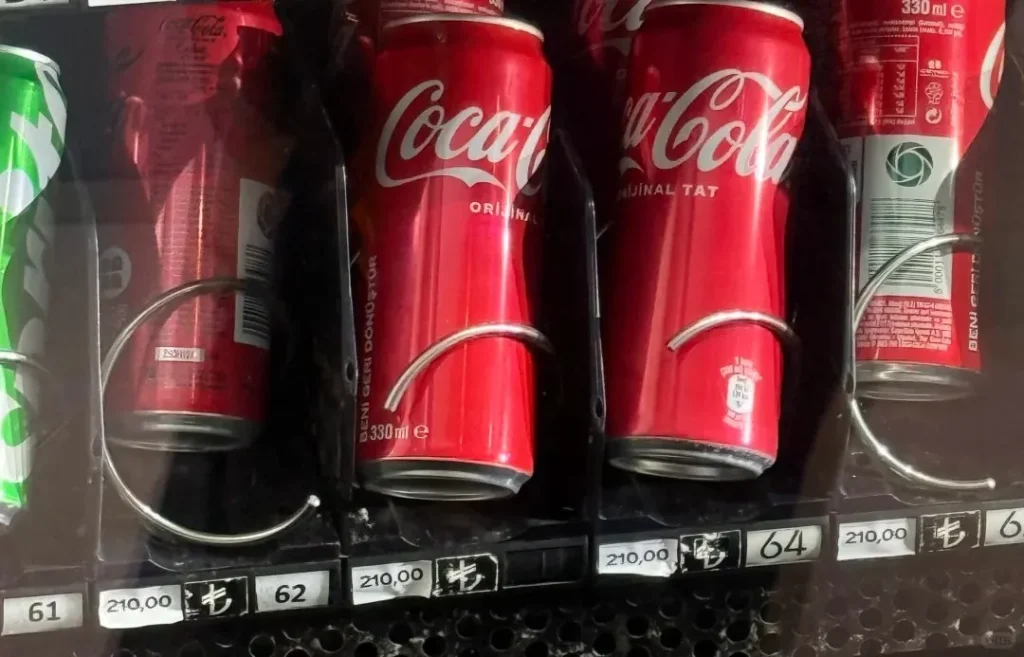
Online posts cite everyday shocks: 85 lira (about $2) for bottled water, 210 lira (nearly $5) for a can of Coca-Cola, and over $7 for a simple sparkling water priced in euros.
One of the biggest shocks comes from entrance tickets. Türkiye has repeatedly raised prices at major cultural sites in recent years. Hagia Sophia, once free, began charging foreign visitors 25 euros in 2024. At Topkapi Palace, the ticket price jumped from 1,500 lira in May 2025 to 2,400 lira within six months. These increases largely target tourists, while Turkish citizens with a Müzekart pay just 60 lira a year for access to many of the same sites.
Much of the frustration stems from Turkey’s confusing multi-currency system. While the official currency is the lira, tourists routinely encounter prices in euros and U.S. dollars as well. As Phoenix Weekly, a WeChat public account under Phoenix TV, explains, the rapid depreciation of the lira has pushed businesses to price in hard currencies to avoid losses. As a result, hot air balloons, paragliding, and high-end hotels are often quoted in euros or dollars, instantly erasing Turkey’s reputation for affordability and pushing costs closer to those of Paris or London.
Some restaurants and shops list prices unclearly, then default to charging in euros or dollars when customers pay by card. The final bill often exceeds expectations, prompting Chinese bloggers to warn travelers to confirm the currency before ordering.
WHY IS THIS IMPORTANT? As China’s economy slows and consumer sentiment turns more cautious, many Chinese tourists had assumed Turkey would remain an ideal low-budget alternative to Paris or London, especially during the Lunar New Year, the most important season for outbound travel. That expectation collided with reality. At a time when prices inside China are easing, and competition at home is pushing costs down, Turkey’s sharply higher prices feel even more jarring.