Across Latin America, Chinese businesses have long improvised their own forms of protection in the absence of reliable policing: a self-funded protection system sustained through communal pressure, donor lists, and appeals to collective responsibility. A recent series of posts on the Chinese Chile Network, a WeChat public account for the Chinese community in Chile, offers a close look at how the fundraising machinery for those security system works, and how fragile it has become.
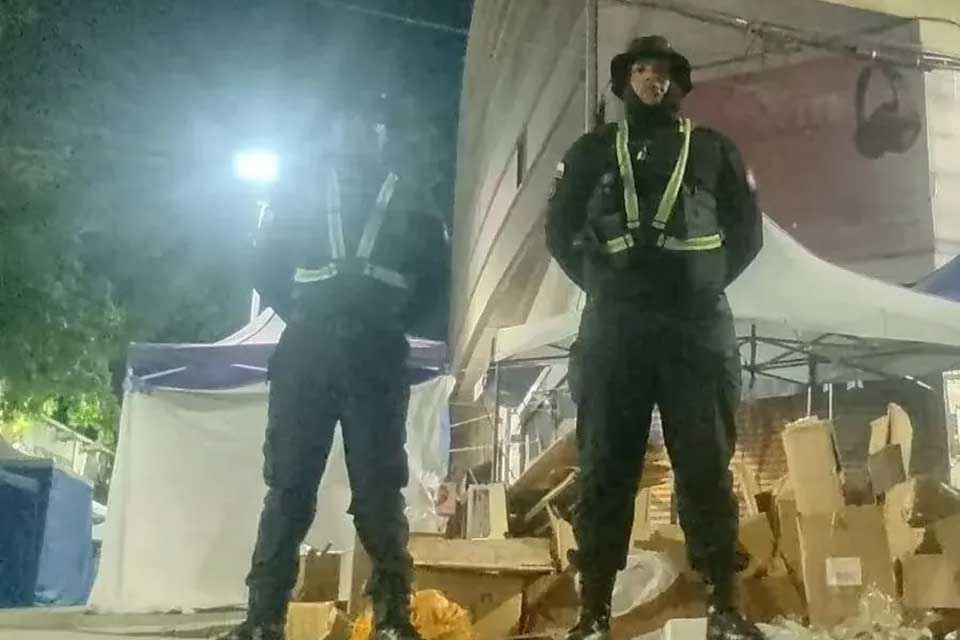
The posts center on Santiago’s Chinatown Security Patrol, which protects the Chinese-run wholesale district and is now facing a 248-million-peso deficit. Since 2019, the patrol has been operating on the brink of insolvency, pushing through despite constant deficits. They have endured sharp criticism from local media, scrutiny from government agencies, provocations from anti-China groups, and even misunderstandings within the Chinese community itself. As crime worsened, the patrol stopped worrying about its budget and began extending its hours: when robberies surged after 9 p.m., they pushed the shift to 10 p.m. However, attacks continued even then.
If fundraising improves, the team plans to extend patrol hours to 1 a.m., so that Chinese workers traveling late at night can get home safely, and so that the cycle of fear can finally end. The goal, they say, is to ensure that every Chinese shopkeeper can live and work in Chile with basic dignity and security.
The patrol runs entirely on voluntary contributions from merchants. But one post bluntly points out a growing imbalance: many shopkeepers who live and work inside the patrol’s protection zone enjoy the safety it provides, praise the security team daily, yet have never contributed a cent. The organizers describe this as a classic “benefit without responsibility” problem.
To counter this, the posts publicly release full donor lists, naming each contributing business – café owners, bag vendors, lingerie shop operators – most giving between 500,000 and 3 million pesos. They even publish a special post praising a Ms. Ma, who has already left Chile for Ecuador but still donated 1 million pesos remotely. These lists function not only as transparency tools but as soft enforcement mechanisms, encouraging participation by making non-participation visible.
Why Is This Important? The posts expose the informal funding model underpinning many overseas Chinese commercial enclaves. Small businesses, unable to afford private protection on their own, cluster in the same district and pool resources for collective security, effectively creating a community self-governance structure. In Chile, where gun violence and robberies have surged, and trust in local policing is low, this improvised system has become the primary safety net for Chinese merchants. Yet its survival depends entirely on whether enough people keep paying into it.