
Day: March 9, 2020

Related Posts


The Plunge in Chinese Overseas Lending is a Big Deal. It’s a REALLY Big Deal.
Recent findings by Boston University's Global Development Policy Center that China's two largest policy banks, China Exim Bank and the China Development Bank, sharply curtailed their lending from $75 billion in 2016 to just $4 billion, was a stunning surprise. Long ...
Related Posts

New Database Provides Fresh Insights Into Chinese Lending Practices Around the World
Yesterday's Financial Times headline that "China's overseas lending collapses" dominated the news about Boston University's pioneering new database that tracks lending by two of China's largest policy banks, China Exim Bank and the China Development Bank.

Reaction to New Data That Reveals “Chinese Overseas Lending Collapse”
Findings from Boston University's new database on Chinese development finance patterns that revealed a "collapse" of overseas lending sparked a lot of conversation online yesterday from leading development economists in the U.S. and Europe. The general consensus among the experts was ...

Peking University Professor: Chinese Loan Losses in Asia and Africa Reinforce Painful Lessons Learned in Venezuela
The following is a transcript of a nine-part Twitter thread posted by the prominent China economist Michael Pettis, a professor at Peking University. As I have been writing since 2011, China’s development lending was always likely to follow the ...


China Strikes Financing Deal With Iraq, Providing New Clue to How Beijing Deals With Major Oil Supplying Countries
The Chinese government is reportedly coming to the rescue of the financially stressed Iraqi government with a $2 billion cash payment for a year's worth of oil at current market prices. The five-year agreement, as reported by Bloomberg, provides fresh insights into how China ...

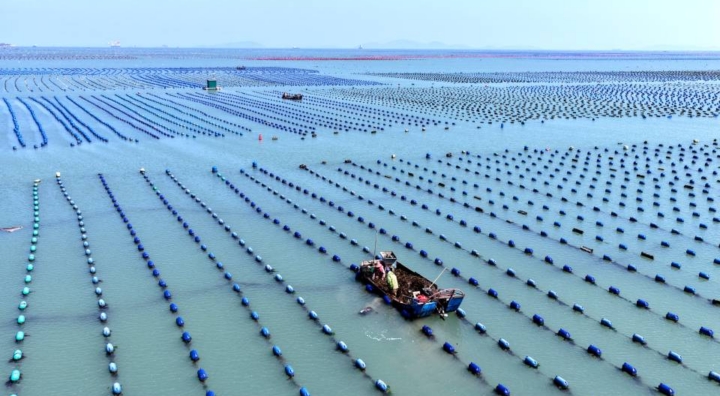
Fishermen conduct abalone management and protection operations at sea in the waters of Xiaocheng Town, Lianjiang County, Fuzhou City, Fujian Province, China, on March 14, 2026. (Photo by Costfoto/NurPhoto) (Photo by CFOTO / NurPhoto / NurPhoto via AFP)
"China's financial commitments are simply more tangible and easier to grasp than those of Europe," one delegate from an island state remarked to me on a bright spring day in late March, as we both gazed out at the East River from the United Nations Headquarters. Behind us, in airless ...

Chinese Ambassadors in Africa Amplify Beijing’s New Line That COVID-19 Isn’t “Made in China”
Chinese diplomats in Africa are really stepping up their efforts to try and persuade everyone that COVID-19 did not originate in China. Last week Ambassador Wu Peng in Kenya used this line and now Lin Songtian in South Africa appears to be ...

Did a Chinese Woman Die From COVID-19 in Zimbabwe? Depends on Who You Believe
Here's what we know: a woman from the eastern city of Mutare who recently returned from China made it to Wilkins hospital in Harare where she checked herself in complaining of symptoms consistent with those of COVID-19. We don't know her nationality and what the official cause ...
Africans May Dislike Their Dependence on Imported Chinese Goods, But There Isn’t Much They Can Do About It
With a majority of China's ports and factories still offline due to the ongoing COVID-19 outbreak, African businesses are starting to run very low on supplies of products sourced in China, prompting discussions about where they will be able to find new, reliable yet equally affordable suppliers. ...


With Inventories of Chinese-made Products Running Low Across Africa, Shop Owners Wonder What’s Next
China-Africa trade has essentially come to a halt due to the worsening COVID-19 outbreak around the world, adding new pressure on small business owners across Africa who make a living selling imported Chinese goods. Now with inventories running low, shopowners are wondering how they're going to replenish ...


As Oil Prices Tumble, COVID-19 Rapidly Escalates From a Health Crisis to a Full-Blown Economic Crisis in Africa’s Crude-Exporting Countries
When oil trading started today in Asia, sellers moved quickly to unload their positions prompting a "cataclysmic collapse" that saw prices plunge by a stunning 31%, the single largest price drop in almost 30 years. The sell-off ...