This is a free preview of the upcoming Africa EVs Weekly Digest, part of the new CGSP Intelligence service.
African countries are embarking on an unprecedented bout of techno-social evolution brought about by Chinese electric vehicle (EV) technologies that are transforming how African peoples move and transport goods.
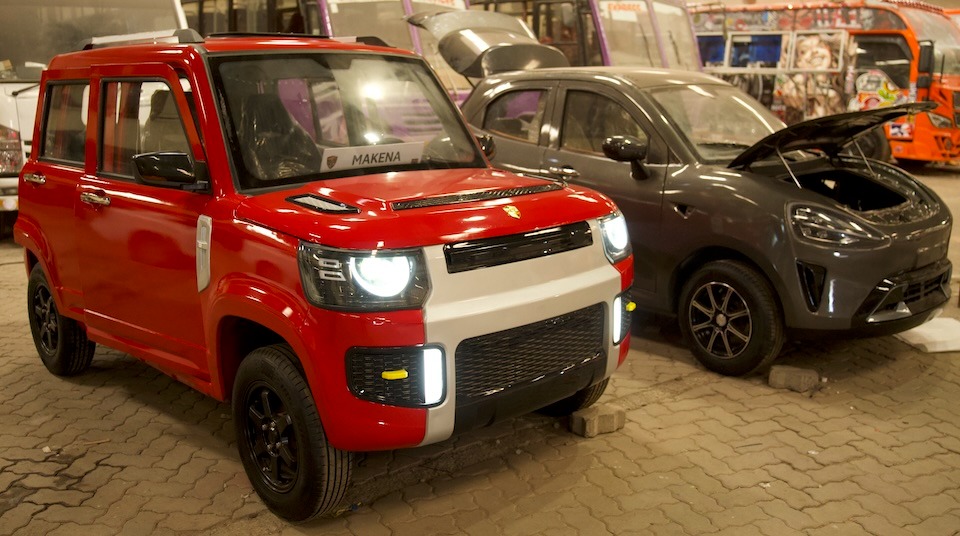
While it doesn’t come cheap, the technology is transforming mobility from Nairobi to Dakar, Cape Agulhas to Cape Angela in Tunisia. The latter is emerging as a key player in North Africa’s EV market, driven by government-backed incentives, international partnerships, and a growing local manufacturing base. A locally-built Kenyan EV that could change mobility dynamics across East Africa is an example of this trend.
This week’s edition is mostly a recap of what happened towards the end of last year and a preview of upcoming developments.
This week in Africa’s EV scene:
BYD Dethrones Tesla as World’s Top EV Seller
BYD is now the world’s biggest EV seller after toppling its American rival Tesla in annual sales.
Tesla said on Friday that car sales dropped by nearly 9% last year to 1.64 million vehicles worldwide, making it the carmaker’s second consecutive year of declining sales. BYD’s sales of battery-powered cars rose almost 28% during the same period to more than 2.25 million vehicles.
Why This Matters: Politics and business do not mix, or do they? Tesla has faced a tough year due to founder Elon Musk’s political activities and intensifying competition from Chinese rivals. The latest numbers bolster global perceptions of BYD as a reliable brand, which could help the company to increase sales and address challenges back home with unsold inventory. Most of these vehicles may end up in African countries where second-hand cars dominate the market.
Driving Kenya’s First Locally Built EV
We wrapped last year with TAD Motors launching Kenya’s first “homegrown” electric vehicle prototypes. These were partly built with Kenyan-sourced steel, while other key components (such as batteries and electronics) were imported from China. Check out our video report here:
Why This Matters: The TAD Motors launch marks the birth of an authentic Kenyan vehicle brand aiming for local manufacturing, with plans for 90% local content by the end of this year. This venture’s success could lessen Kenya’s dependence on imported vehicles.
South Africa Expects Six More Chinese Vehicle Brands in 2026
South Africa remains the darling of many automakers. Chinese brands are making inroads and posing a fresh challenge for legacy vehicle makers. 2026 will be no different, with the country expected to receive six more Chinese vehicle brands this year.
Why This Matters: South Africans prefer hybrids to full-electric vehicles, and the new entrants this year have factored this into their offerings. This could lead to lower vehicle prices across the board. The country’s auto manufacturing sector will face increased competition, unless the government steps in to shield it.
China’s Dual Strategy Selling ICE Vehicles Alongside EVs
Chinese automakers are offloading their gasoline vehicles to global markets as they can no longer sell at home. Africa is becoming one of the biggest destinations, and these cars are reshaping roads from Nairobi to Lagos. They are newer than secondhand imports and cheaper than brand-new legacy-brand vehicles.
You can watch the analysis here:
Why This Matters: Last year, annual vehicle shipments from China rose from 1 million to an estimated 6.5 million.
The availability of affordable new vehicles in many African countries, accustomed to secondhand vehicles, will likely continue to drive the importation of gasoline- and diesel-powered vehicles from China. This will not only delay the e-mobility transition but also change which countries will benefit from selling second-hand vehicles to the African market.
LUG West Africa Plans 250 Charging Points in Nigeria
In line with growing EV demand, the Nigerian infrastructure and smart-city development company LUG West Africa plans to install 250 charging points across Lagos. It will also manufacture street lighting and EV charging components to reduce reliance on imports.
Why This Matters: EV charging infrastructure remains a challenge even in developed countries. LUG’s move could plug the gap in Nigeria and support EV adoption in a country where grid electricity is unreliable. By tapping into solar, the company could help accelerate EV buy-in, especially if the charging network extends beyond the city.
Ghana Woos Chinese EV Giants as They Expand Beyond China
Ghana is wooing Chinese EV giants, positioning itself as a leader in transforming West Africa’s mobility. The country has set bold targets, which come at a time when Chinese EV makers are seeking new markets outside China.
Why This Matters: As Chinese electric cars face higher tariffs in Europe and political pushback in the US, Africa’s still-nascent EV sector offers a chance to lock in early dominance. If Ghana succeeds in attracting the Chinese automakers, it could become a hub for both imports and local manufacturing and assembly.
In context
Chinese EV tech and expertise will continue shaping motorized mobility in many African countries. Chinese imports could pose challenges for used-car dealers once the dual approach of selling ICE vehicles alongside EVs picks up.
The takeaway:
Affordable mobility has been elusive in Africa, and Chinese automakers are finally cracking the code by offering vehicles that address every price point. For a continent that depends on “waste” from developed countries, affordable new vehicles either built locally or imported will no doubt change the status quo and force a rethink, especially for those interested in the continent’s vehicle market.