This is a free preview of the upcoming Africa EVs Weekly Digest, part of the new CGSP Intelligence service.
Electric vehicle (EV) training is one of the major missing links when it comes to e-mobility adoption in different African countries. The skills of maintenance personnel, like mechanics, remain concentrated on internal combustion engine (ICE) vehicles.
But this is changing as some Chinese EV dealers are starting to offer training opportunities to ensure the continuity of service for those who buy their vehicles. This is part of their wider global marketing, which is prominently showcased at the ongoing COP30 in Belém, Brazil.
Elsewhere, copyright issues are surfacing with allegations that some EV manufacturers in North Africa are copying Chinese brands and passing them off as their own. Keep reading to get the details of an interesting week in the African EV space.
This week in Africa’s EV scene:
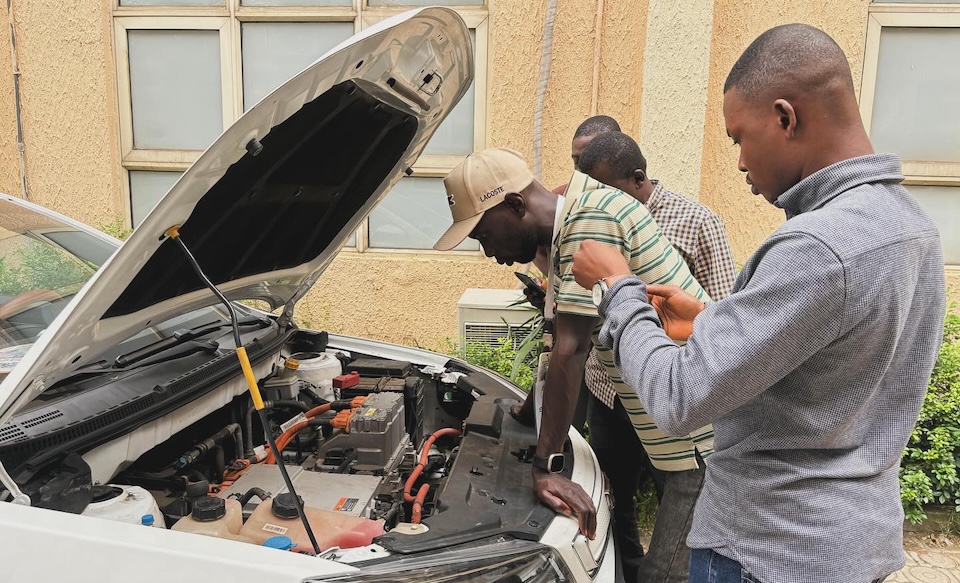
Chinese EV Maker’s Bet on Nigeria With Electric Vans And Youth Training Program
A little-known Chinese EV manufacturer is introducing training opportunities on the mechanics of electric vehicles for Nigeria’s youth, as they also roll out new models in the West African nation.
CAWIN Mobility is partnering with Nigeria’s ABC Logistics, a courier and parcel-delivery firm, to test a fleet of fully electric vehicles as part of a broader effort to green its logistics operations and offer training opportunities to the country’s youth.
Why This Matters: Unemployment is high in Nigeria, and CAWIN Mobility’s initiative opens the door to tangible skills transfer to equip the country’s youth for an EV future. The specialized training programs for young people are rare. Few Chinese automakers or legacy brands entering the African market offer such opportunities. It could provide a blueprint for other nations if the effort proves successful.
Chinese EVs Big Show at COP30 in Brazil
A fleet of Chinese electric and hybrid vehicles was deployed to transport delegates during COP30’s opening on Thursday — a move that may signal China’s growing foothold in Latin America’s auto market. For African consumers, the display could serve as an endorsement of Chinese car brands, which are steadily gaining popularity across the continent.
Why This Matters: The COP summits have long been a stage for showcasing innovations aimed at tackling climate change. This year in Belém, Brazil, the presence of Chinese electric vehicles appeared to signal more than just brand promotion — it was a statement of intent that China’s EV makers are determined to make EVs ubiquitous on roads around the world.
Neo Motors Opens Factory to Counter Chinese EV Model Copies Claims
Neo Motors, a Moroccan automaker, will open its factory to the public this week, inviting visitors to tour the production line and test-drive its latest model, the DIAL-E. The move is seen as a public relations effort to counter growing criticism that the car closely resembles a low-cost Chinese EV.
Why This Matters: Marketed as a “100% Moroccan” product, the DIAL-E bears a striking resemblance to a Chinese-made vehicle sold for about $5,500. The allegations of copying could pose a setback for the company, which hopes to market the car beyond Morocco’s borders. The controversy puts those who may consider rebranding Chinese-made cars as local originals on notice.
Nigerian Senate Passes Bill to Support Electric Vehicle Transition
The Nigerian Senate has approved the Electric Vehicle Transition and Green Mobility Bill for a second reading, marking a major step toward modernizing the nation’s automotive and energy sectors.
Outlining a national framework to support local EV manufacturing, the legislation aims to gradually phase out petrol-powered vehicles in favor of electric ones while advancing environmental sustainability.
Why This Matters: Since the bill offers a range of incentives for importers, investors, and electric vehicle users, this will encourage more investment in the EV sector. Beyond this, Nigeria’s shift to EVs will affect the second-hand vehicle market, which depends on new vehicles being more expensive than used ones.
Chinese E-Commerce Giant JD Partners With GAC And CATL, Launching The Aion UT Super Model
The Chinese e-commerce giant JD.com unveiled the Aion UT Super car, a new electric vehicle in partnership with automaker GAC Group and battery manufacturer CATL. The move will further intensify competition in China’s rapidly expanding new energy vehicle market.
Why This Matters: While the car is available exclusively on JD’s online platform, the competition between Chinese automakers means that the prices will have to go down at some point, which will increase access for markets like those in Africa.
In context
To accelerate Africa’s EV transition, one of its most critical gaps — technical training — is finally being addressed even as the EV landscape becomes more complex and more competitive. Meanwhile, growing consumer awareness is raising scrutiny on originality and branding in Africa’s emerging EV industry.
The takeaway:
Despite the setbacks in some aspects, increasing legislation for mobility electrification is a development that underscores a continent in transition — one balancing innovation, foreign influence, and policy reform on its road toward sustainable mobility.