This is a free preview of the upcoming Africa EVs Weekly Digest, part of the new CGSP Intelligence service.
With this edition, we start our expansion from covering EV adoption in Africa to tracking electrification across the Global South. The e-mobility revolution is a global story, with advances and challenges from India to Peru and every other country in between. However, as with all the China-Global South Project’s work, Africa will always remain the heart of our Global South coverage.
From Delhi to Nairobi to Montevideo, Chinese technology is emerging as the easiest means to electrify mass mobility in the Global South. This not only affects recipient countries but also the Chinese manufacturers, who are struggling with declining demand at home and reshaping the global automotive sector in the process.
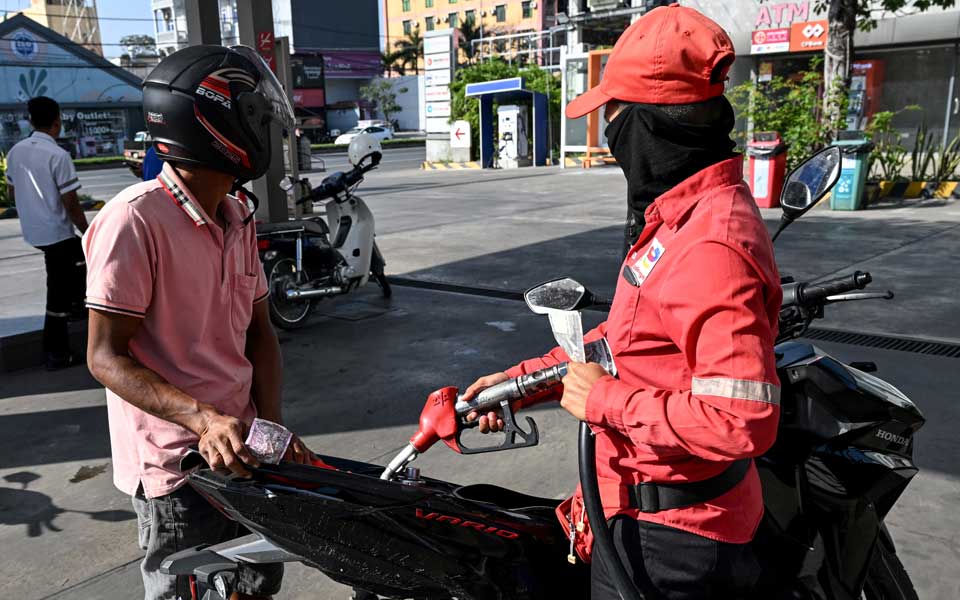
The ongoing war in the Gulf and the resulting volatility of energy prices will only accelerate the EV shift, especially in countries that do not produce their own oil.
This week in Africa’s EV scene:
Kenyan Government to Buy 3,000 Locally Assembled EVs
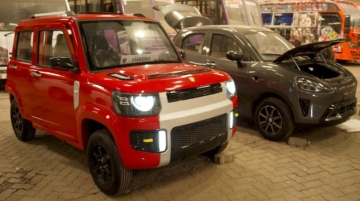
The Kenyan government is abandoning its plan to procure 2,500 gasoline- and diesel-powered vehicles and will instead acquire 3,000 locally assembled EVs. The initiative is designed to reduce the high cost of fuel imports and enhance local vehicle manufacturing. Some government agencies are also tendering for EV leasing, signaling support for the e-mobility sector.
Why This Matters: The Middle East crisis is offering African countries an opportunity to move away from their heavy reliance on imported oil and create more sustainable local energy solutions. The procurement decision could boost Kenya’s nascent EV sector within a broader automotive sector heavily influenced by political interests.
India Retrofitting Old Trucks Into EVs
Delhi is one of the cities with the worst air quality, with vehicles responsible for nearly half of its air pollution. Instead of replacing millions of cars and trucks, owners are converting existing vehicles into electric ones.
Why This Matters: Retrofitting vehicles creates a new economic and EV ecosystem where workers gain new skills in emerging sectors like battery assembly and manufacturing. This could become the foundation for a full-fledged sector creating local solutions for everyday problems.
BasiGo Expands 𝗥𝘄𝗮𝗻𝗱𝗮’𝘀 𝗘𝗩 C𝗵𝗮𝗿𝗴𝗶𝗻𝗴 N𝗲𝘁𝘄𝗼𝗿𝗸
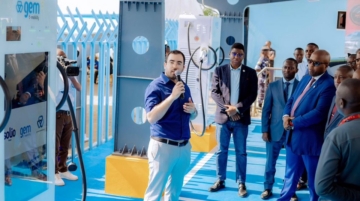
The East African bus assembler and supplier, BasiGo, has launched Rwanda’s first intercity DC fast-charging station. This is the company’s second fast-charging hub equipped with a 240 kW high-speed charger.
Why This Matters: Range anxiety. Electric vehicle sales across many African countries are held back by, among other reasons, limited charging stations, triggering anxiety among drivers that their EV will run out of power. First movers in the charging space will be among the biggest beneficiaries of EV adoption when it scales, generating new revenue streams from long-distance travelers.
BYD Launching Dealerships Outside Major Cities in South Africa
The world’s largest EV maker, BYD, plans to launch between 60 and 70 dealerships by the end of this year in South Africa. To make this a reality, the company is rolling out dealerships in low-population areas in the country- a shift from the modus operandi of many vehicle dealers getting into the market.
Why This Matters: By opening dealerships in less populated areas, the company is building both a network and a sense of ownership through proximity. Unlike big-city showrooms, these locations can make the brand more visible and familiar and, over time, more trusted. The money will follow.
Cosco’s Direct Service to Latin America for Chinese EVs
China’s Cosco Shipping Specialized Carriers, the world’s largest integrated shipping company, has launched a direct container route from China’s Ningbo-Zhoushan port to South America, aimed at boosting exports of electric vehicles and their components.
Why This Matters: This positioning not only communicates efficiency but also that the state-owned Cosco will deliver wherever business is. As China’s EV market matures, the pivot will be to wherever the business is promising. The question is, where next in the Global South?
In context
As oil markets grow more volatile, countries from Africa to Asia and Latin America are turning to electric vehicles as a practical and strategic alternative. At the same time, Chinese manufacturers, facing slowing demand at home, are expanding aggressively into these regions, shaping how e-mobility ecosystems are built through exports, infrastructure, and local partnerships.
The takeaway:
The shift to electric mobility across the Global South is being driven less by climate ambition and more by economics and necessity. Unpredictable energy trade trends are forcing countries to adopt Chinese EV technology, build local industries through retrofitting and assembly, and invest in charging and distribution networks to create independent ecosystems with integrated local governance.