By Muyi Yang and Dody Setiawan
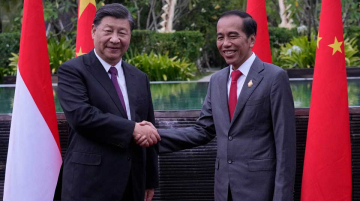
At the G20 Summit in late 2025, China unveiled the International Economic and Trade Cooperation Initiative on Green Mining and Minerals. While broader geopolitical headlines overshadowed this news, it carries crucial implications.
The world is no longer just hungry for minerals; buyers are becoming increasingly picky about where they come from. From the London Metal Exchange (LME)’s low-carbon premium to the European Union’s Carbon Border Adjustment Mechanism (CBAM), a tax on imports based on carbon emissions, with growing demand from automakers and other industries for cleaner supply chains, market and regulatory signals are converging.
Starting this year, CBAM will add a carbon cost on emissions embedded in imports of carbon-intensive goods. Once the LME’s premium is in place, it would differentiate metals by carbon footprint, rewarding cleaner production with price advantages.
Nickel is not yet directly covered by CBAM, and most Indonesian nickel doesn’t trade on the LME. But the direction is clear: future competitiveness will depend not only on cost and scale, but also on carbon intensity and environmental impact.
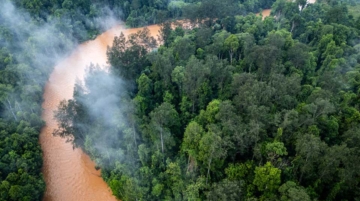
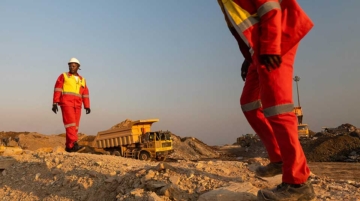
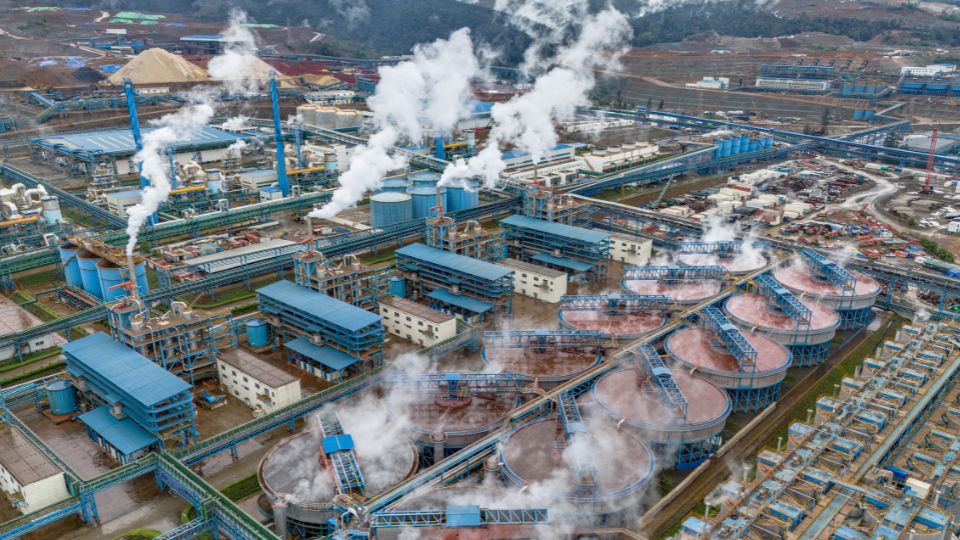
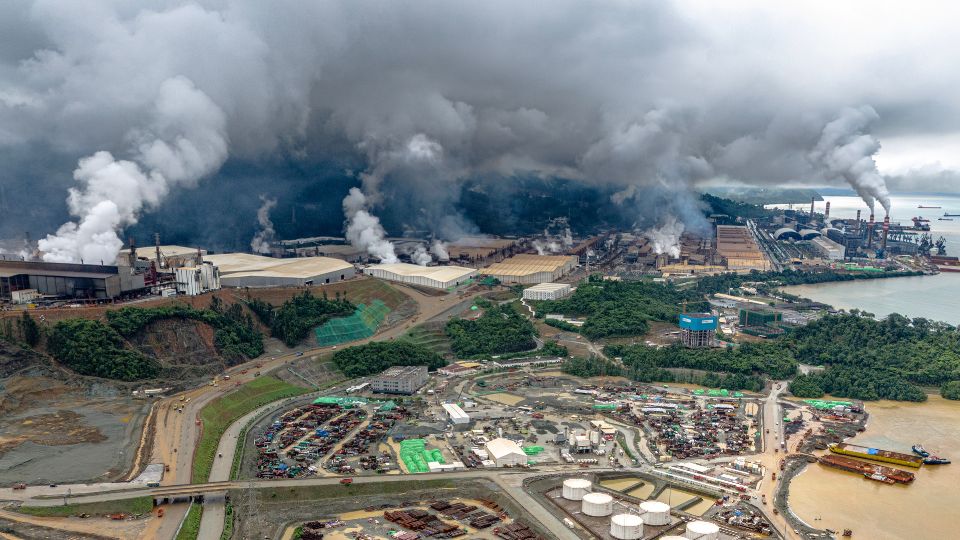
For Indonesia, now producing over half of the world’s nickel, this emerging reality cannot be ignored. The country’s nickel boom has been powered largely by captive coal-fired power plants, built by companies to supply electricity directly to industrial parks and mining operations, as these facilities are often located in remote, isolated areas with limited access to the public grid.
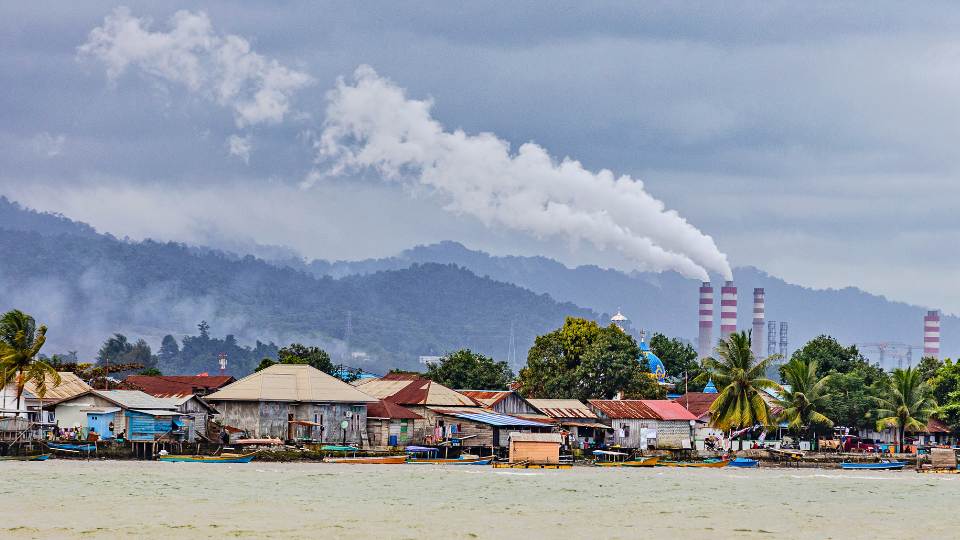
Captive coal has expanded rapidly in Indonesia due to the nickel boom. By 2024, the total capacity surpassed 15 GW, up from less than 3 GW a decade earlier, with two-thirds of the capacity dedicated to nickel processing.
The expansion is not slowing. Indonesia’s National Electricity Master Plan (RUKN) projects more than 16 GW of additional captive coal by 2031, even as renewable capacity is also set to grow.
If the planned capacity expansion is realized, Indonesia’s captive coal fleet would more than double within six years, overtaking Vietnam to become Southeast Asia’s second-largest coal-power producer.
This would lock Indonesia’s nickel-centered industrial parks into one of the most carbon-intensive processing pathways in the world, increasing emissions across the value chain, from battery materials and electric cars to more established sectors like stainless steel.
Today’s challenges, from renewable deployment to implementation bottlenecks, are not reasons to delay. They are obstacles that must be cleared on the path towards a future-proof green nickel industry.
Indonesia has begun to take action. In 2025, the national development planning agency, Bappenas, together with the World Resources Institute, launched a Nickel Industry Decarbonization Roadmap, aiming for an 81% reduction in emissions by 2045. The Just Energy Transition Partnership (JETP), an international financing initiative launched to support Indonesia’s energy transition, has also recently completed a study on captive coal, broadening its initial focus beyond grid-based electricity supply. At the company level,
Several firms have already begun piloting renewable integration in smelter operations.
Momentum is building to reduce reliance on captive coal in nickel production. However, to turn this into lasting progress towards green nickel, which is produced with lower emissions through clean energy and more efficient processing, will not be easy.
It requires reliable, affordable renewable energy at scale, especially in remote areas with limited grid capacity and challenging terrain. It also means striking a delicate balance: sustaining rapid industrial expansion while pursuing long-term decarbonization.
Institutional foundations are equally important. Stronger capacity, improving regulatory enforcement, and better coordination between central agencies, local governments, and industrial-park operators will be essential to turn plans into action.
Today’s challenges, from renewable deployment to implementation bottlenecks, are not reasons to delay. They are obstacles that must be cleared on the path towards a future-proof green nickel industry.
China’s G20 announcement is a reminder that the nature of global competition has changed. It is no longer about who controls mineral resources, but rather who can produce them with minimal emissions.
Countries that move early will set the rules, secure access to premium markets, and attract deeper investment in batteries, electric cars and across the many industries that depend on these materials.
For Indonesia, moving to green nickel is not just a burden or a box to check. It is a prudent way to keep nickel’s role in the economy while reducing coal use. The next global shift is underway; Indonesia must decide whether to lead it or be forced to adapt later.
Muyi Yang is a senior policy analyst s responsible for leveraging Ember’s analytical capacity to promote the transition towards a clean and more sustainable energy future in China and Dody Setiawan is a senior policy analyst who leads Ember’s research on coal mine methane issues in Indonesia