
Tag: Ebikes Africa
Related Posts
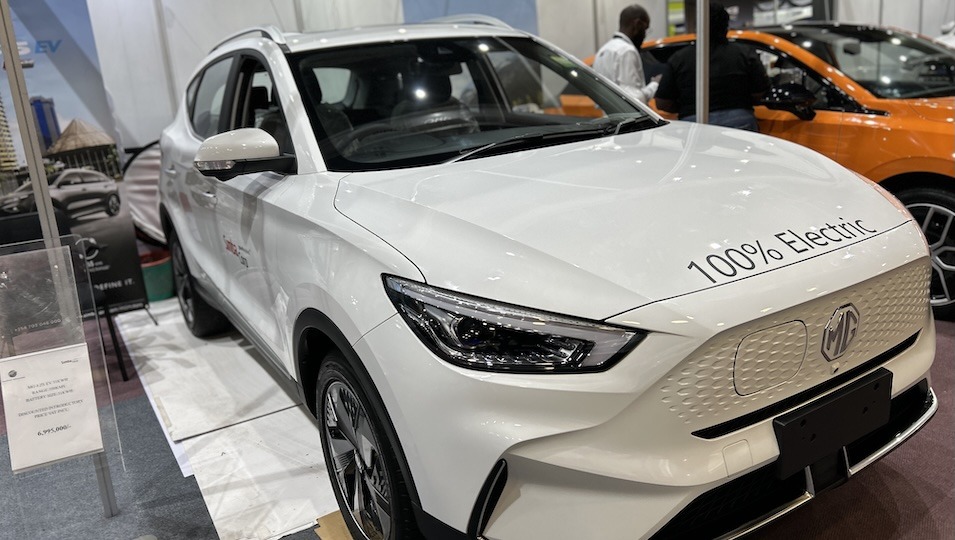


Leasing, Swapping, Surviving: Kenya’s Startups Hack the EV Tax Trap
E-mobility startups in Kenya are rethinking how to do business in a country where prohibitive taxes are slowing the adoption of electric vehicles. To stay afloat—and expand—companies like Rideence and Ebikes Africa are leveraging Chinese electric vehicle (EV) technology while building creative business models around ...
Related Posts
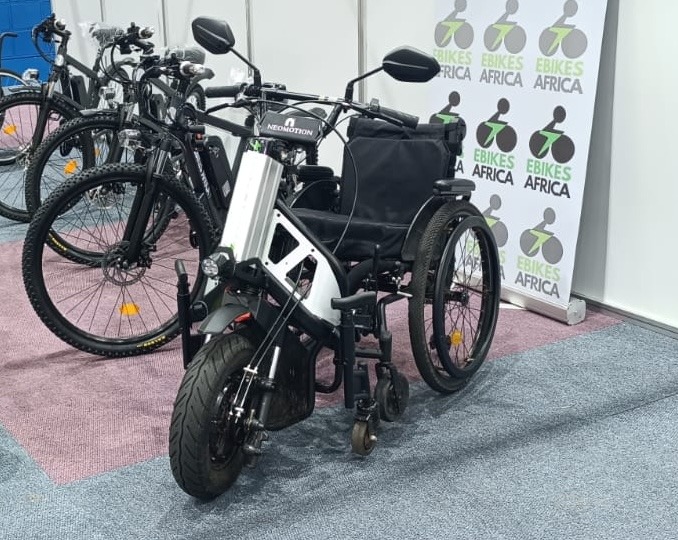

Chinese Tech in Global South Partnerships: Breaking Barriers for Wheelchair Users
Over 64 million wheelchair users worldwide struggle with inaccessible transport and in Kenya, where only 4% of the population own cars, the infrastructure excludes pedestrians and wheelchair users. To fix this anomaly against people with ...

Fishermen conduct abalone management and protection operations at sea in the waters of Xiaocheng Town, Lianjiang County, Fuzhou City, Fujian Province, China, on March 14, 2026. (Photo by Costfoto/NurPhoto) (Photo by CFOTO / NurPhoto / NurPhoto via AFP)
"China's financial commitments are simply more tangible and easier to grasp than those of Europe," one delegate from an island state remarked to me on a bright spring day in late March, as we both gazed out at the East River from the United Nations Headquarters. Behind us, in airless ...

Leasing, Swapping, Surviving: Kenya’s Startups Hack the EV Tax Trap
E-mobility startups in Kenya are rethinking how to do business in a country where prohibitive taxes are slowing the adoption of electric vehicles. To stay afloat—and expand—companies like Rideence and Ebikes Africa are leveraging Chinese electric vehicle (EV) technology while building creative business models around ...
Chinese Tech in Global South Partnerships: Breaking Barriers for Wheelchair Users
Over 64 million wheelchair users worldwide struggle with inaccessible transport and in Kenya, where only 4% of the population own cars, the infrastructure excludes pedestrians and wheelchair users. To fix this anomaly against people with ...