
Author: Cobus van Staden
Dr. Cobus van Staden is an accomplished scholar, journalist, and think tank analyst with more than 20 years of experience in Africa and Asia. Previously, he was the senior China-Africa researcher at the South African Institute of International Affairs (SAIIA) in Johannesburg. Cobus completed his Ph.D. in Japanese studies and media studies at the University of Nagoya in Japan in 2008. He focused on comparisons of Chinese and Japanese public diplomacy in Africa during postdoctoral positions at the University of Stellenbosch and the SARCHI Chair on African Diplomacy and Foreign Policy at the University of Johannesburg before joining the Department of Media Studies at the University of the Witwatersrand in 2013. His academic research focused on media coverage of the China-Africa and Japan-Africa relationships, as well as the use of media in public diplomacy in the Global South.
Related Posts


The Emerging China-Global South Energy Nexus
This month brought quietly momentous news: for the first time ever, the world’s share of renewable energy surpassed that generated by burning coal. China is one of the world’s biggest consumers of coal and is therefore partly responsible for bringing ...
Related Posts

Three New Polls Show China is Edging Past the U.S. as the World’s Partner
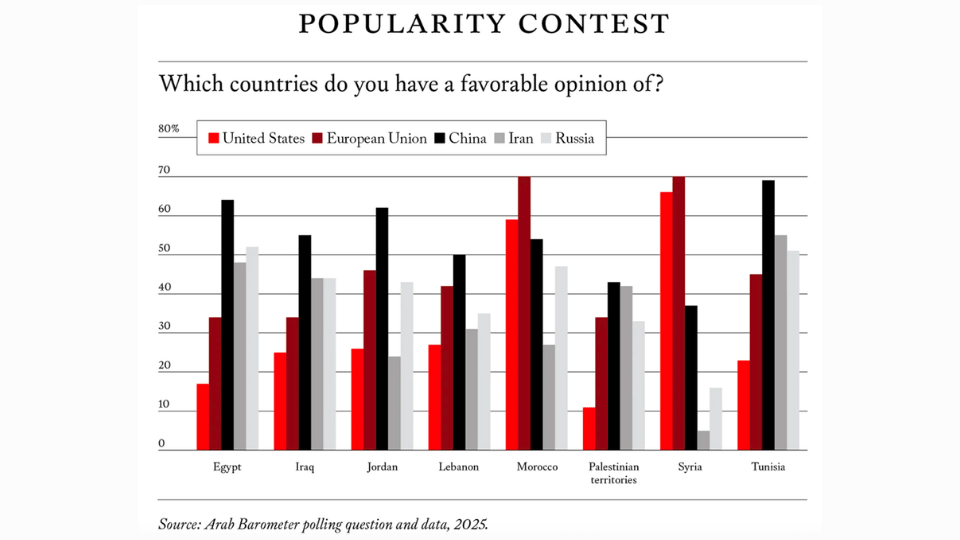
Worry about the Trump administration’s decision-making is leading the public around the world to see China as an increasingly attractive counter-option. This is the main takeaway from three large public opinion polls released recently. The annual Gallup poll of 130 ...
The End of the Oil Order Is Here and China Is Already Winning
The Iran war has been a real education in how global orders change. The system built on the immutable logic of oil and gas trade seemed as solid as a continent. Now it looks as wobbly as a Jenga tower. ...
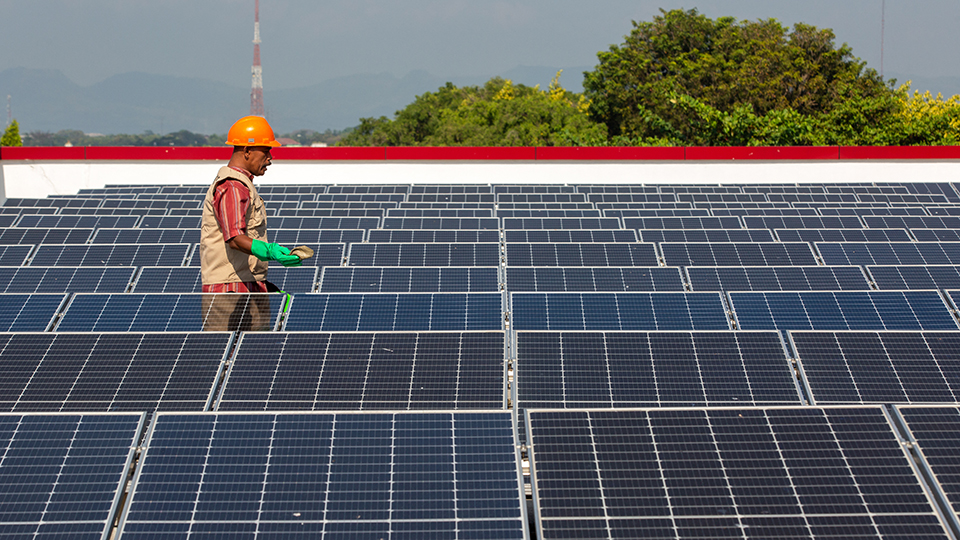
Why Green Energy Will Be the Big Winner of the Iran Crisis
Remember “no blood for oil”? Decades ago, the slogan emblematized opposition to the U.S. invasion of Iraq. Its logic subsequently shifted as the United States experienced a gas and oil revolution thanks to fracking. It has cycled back into ...
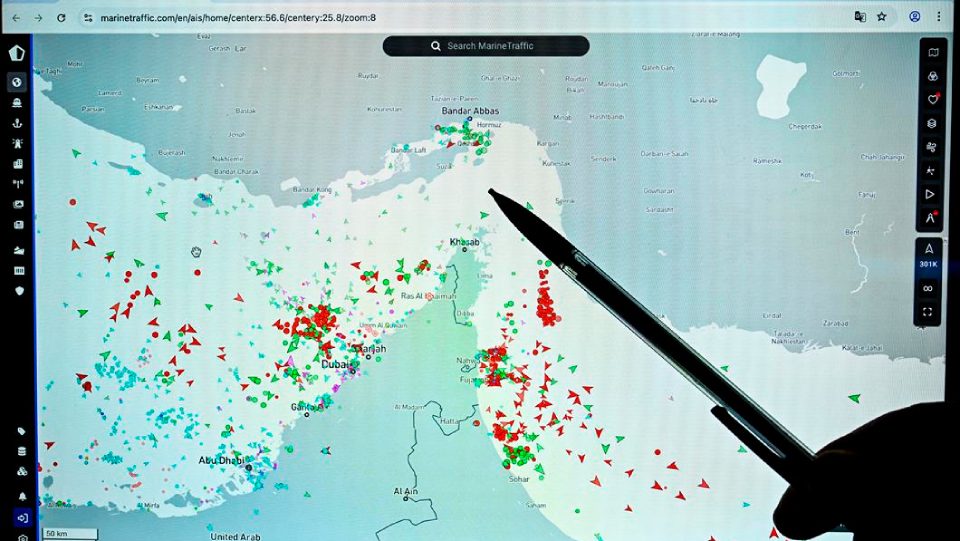

The Complexity of China’s Iran Math
The news that Qatar has temporarily halted its output of liquid natural gas has sharpened the focus on how the Iran war will affect Chinese energy security. What has received less attention is how the war will affect Chinese companies’ commercial entanglements in Iran. ...
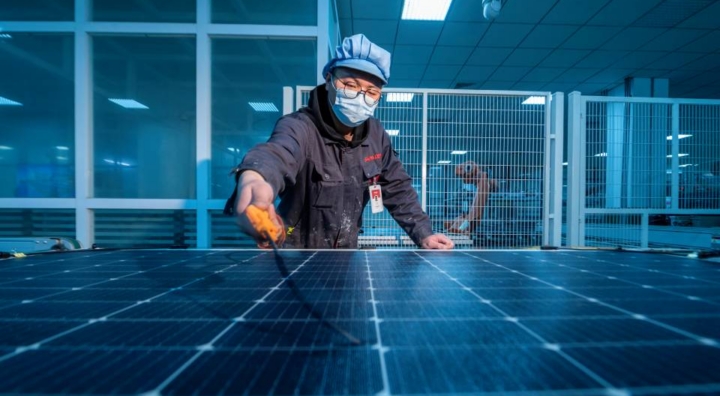
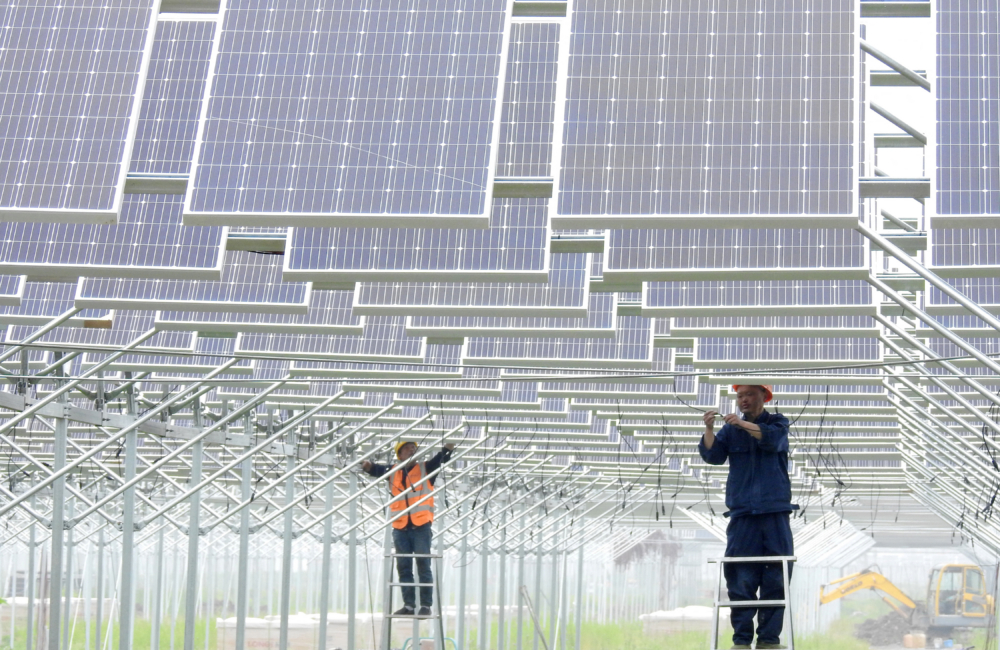
This photo taken on February 20, 2023 shows a worker producing solar photovoltaic modules that will be exported at a factory in Yangzhong, in China's eastern Jiangsu province. (Photo by CN-STR / AFP)
China’s clean-tech export surge has been widely documented in recent weeks. Many analysts have linked the increase to a growing push, particularly across developing economies, to reduce exposure to volatile oil and gas markets following the closure of the Strait of Hormuz. Much of ...

Reading the Xi-Trump Summit’s South/North Signals
As I write, U.S. President Donald Trump is aboard Air Force One en route home after his highly anticipated visit to Beijing. There is much we still don’t know - not least what was discussed in face-to-face meetings towards the ...


China, Japan, and the Global South
This week saw a notable new wrinkle in one of the key geopolitical soap operas of our time. For the first time since the Second World War, Japan launched “an offensive weapon” outside of its territory, triggering immediate fury in Beijing. ...
The Emerging China-Global South Energy Nexus
This month brought quietly momentous news: for the first time ever, the world’s share of renewable energy surpassed that generated by burning coal. China is one of the world’s biggest consumers of coal and is therefore partly responsible for bringing ...
Three New Polls Show China is Edging Past the U.S. as the World’s Partner
Worry about the Trump administration’s decision-making is leading the public around the world to see China as an increasingly attractive counter-option. This is the main takeaway from three large public opinion polls released recently. The annual Gallup poll of 130 ...
The End of the Oil Order Is Here and China Is Already Winning
The Iran war has been a real education in how global orders change. The system built on the immutable logic of oil and gas trade seemed as solid as a continent. Now it looks as wobbly as a Jenga tower. ...
Why Green Energy Will Be the Big Winner of the Iran Crisis
Remember “no blood for oil”? Decades ago, the slogan emblematized opposition to the U.S. invasion of Iraq. Its logic subsequently shifted as the United States experienced a gas and oil revolution thanks to fracking. It has cycled back into ...
The Complexity of China’s Iran Math
The news that Qatar has temporarily halted its output of liquid natural gas has sharpened the focus on how the Iran war will affect Chinese energy security. What has received less attention is how the war will affect Chinese companies’ commercial entanglements in Iran. ...
China’s Next Five-Year Plan and the Global South
China’s next five-year economic development plan will be unveiled at its largely ceremonial national legislature, the National People’s Congress, on March 5. The plan, which covers 2026 to 2030, will likely outline the CPC’s aim to shift the Chinese economy toward boosting domestic consumption.
China’s Relationship with Iran: More Balancing Act than All In
While China has expressed support for Iran as it faces attacks from Israel and the United States, readouts from Chinese Foreign Minister Wang Yi’s conversation with Iran’s Abbas Araghchi hint at a more complex position. Wang’s emphasis on the securing of Chinese ...

Looking Beyond “Useful Africa” at the Mining Indaba
With U.S.-South Africa ties in the deep freeze, it was notable to see the sheer size of the U.S. delegation sent to this week’s Mining Indaba in Cape Town – one of the most prominent industry gatherings and one of the few where the Global South ...

Confusing Developments in “Development”
This week I’m in Brussels, where I took part in a workshop on how the EU should shape its development strategy in response to China’s global influence. I have joked in the past that it feels like I’ve attended this same ...


The Fraying Story of the “West” and What’s Next
Canada’s Prime Minister Mark Carney’s speech in Davos marked a new era in how the West talks about itself. One could say he was the first Global North leader to frame the rules-based international order (RIP) in Global South terms: ...