Q&A: Indonesia’s Nickel Strategy Benefits China, Offers Cautionary Tale for Developing Nations, Says Researcher

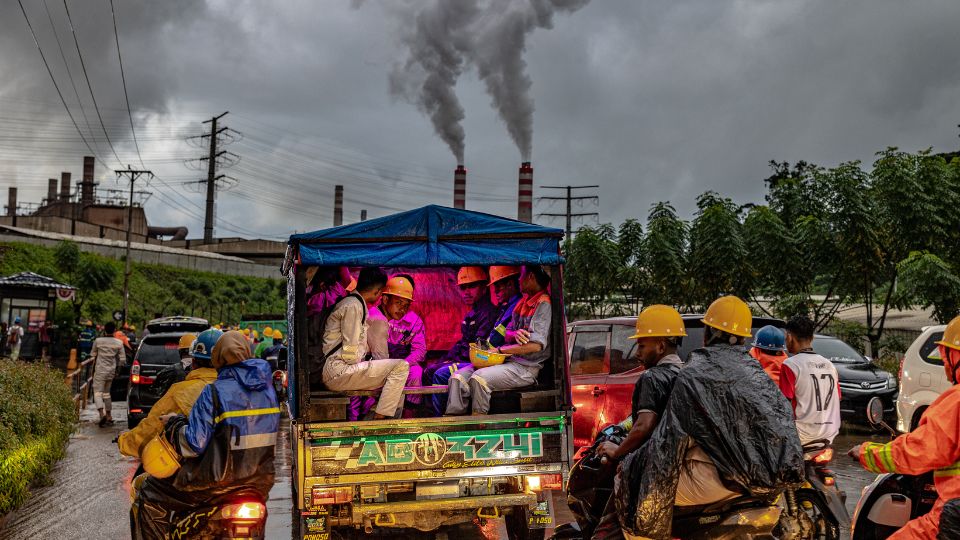
Nickel industry workers rides a modified mini pick-up used as a local public transport in Halmahera island, North Maluku, Indonesia, amidst local traffic congestion and smoldering chimneys of nickel smelting and processing plant, August 2024. (CGSP / Mas Agung Wilis Yudha Baskoro)

Indonesia controls the world’s largest nickel reserves, crucial to powering electric vehicles and fueling the global green transition. But despite its natural advantage, the country finds itself missing out on the actual industrial gains.

Instead of building homegrown technological capacity, Indonesia’s nickel policies have largely delivered windfalls to foreign investors—especially Chinese state-linked firms.

  • Get a daily email packed with the latest news and analysis from Africa, Asia, and across the Global South.
  • Read exclusive insights on the key trends shaping China’s relations across the Global South.
  • Full access to the News Feed that provides daily updates on Chinese engagement in the Global South.


China, Africa and the Global South... find out what’s happening.

Subscribe today for unlimited access.

What is The China-Global South Project?

Independent

The China-Global South Project is passionately independent, non-partisan and does not advocate for any country, company or culture.

News

A carefully curated selection of the day’s most important China-Global South stories. Updated 24 hours a day by human editors. No bots, no algorithms.

Analysis

Diverse, often unconventional insights from scholars, analysts, journalists and a variety of stakeholders in the China-Global South discourse.

Networking

A unique professional network of China-Africa scholars, analysts, journalists and other practioners from around the world.