
How China Can Survive Without the Strait of Hormuz

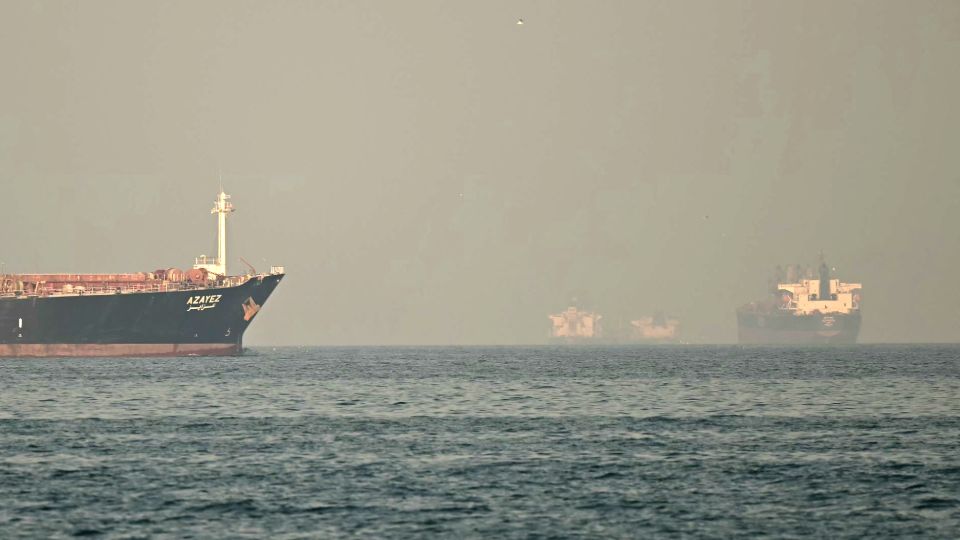
Cargo ships and tankers are seen off coast city of Fujairah, in the Strait of Hormuz in the northern Emirate on February 25, 2026. (Photo by Giuseppe CACACE / AFP)

China can survive without the Strait of Hormuz because it has built a broader energy cushion than most Asian importers, even though it still buys more oil through the waterway than any other country.

China imported about 5.4 million barrels per day via Hormuz in the first quarter of 2025, but no single supplier accounts for more than 20% of its crude imports, giving Beijing a more diversified supply base than peers like Japan or South Korea.

  • Get a daily email packed with the latest news and analysis from Africa, Asia, and across the Global South.
  • Read exclusive insights on the key trends shaping China’s relations across the Global South.
  • Full access to the News Feed that provides daily updates on Chinese engagement in the Global South.


China, Africa and the Global South... find out what’s happening.

Subscribe today for unlimited access.

What is The China-Global South Project?

Independent

The China-Global South Project is passionately independent, non-partisan and does not advocate for any country, company or culture.

News

A carefully curated selection of the day’s most important China-Global South stories. Updated 24 hours a day by human editors. No bots, no algorithms.

Analysis

Diverse, often unconventional insights from scholars, analysts, journalists and a variety of stakeholders in the China-Global South discourse.

Networking

A unique professional network of China-Africa scholars, analysts, journalists and other practioners from around the world.

Detected IP: ...