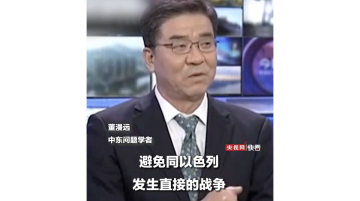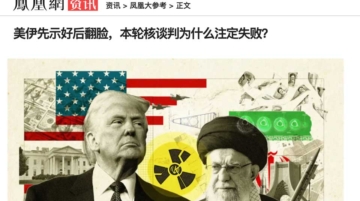
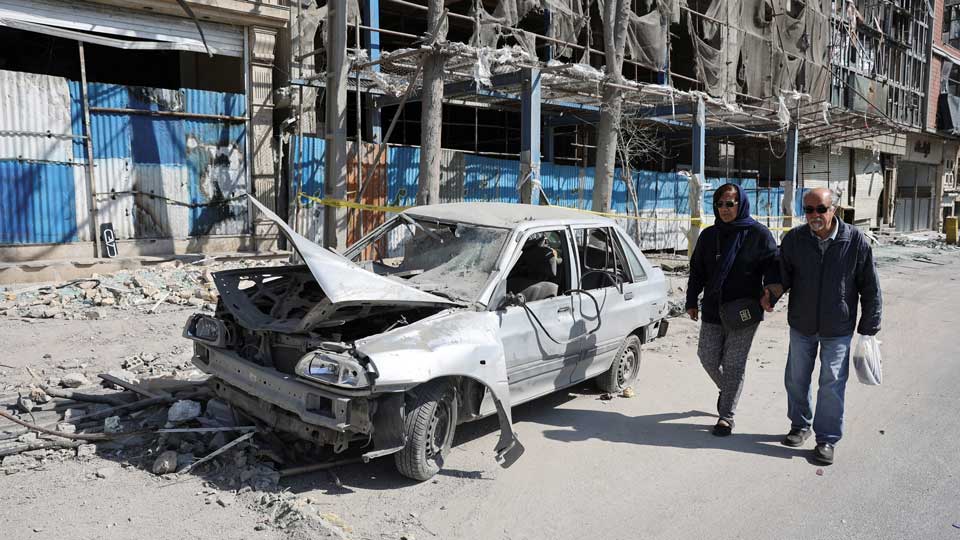
In the face of historic security threats across the Middle East, Chinese economic and legal experts are urging investors to implement geopolitical risk management immediately.
The warning specifically targets the Gulf states, a region that has become a premier hotspot for Chinese capital in recent years, as analysts now advise enterprises to consider alternative destinations, such as Central Asia.
“Extreme Uncertainty”
Yang Xiang, a prominent researcher of finance and law at Tsinghua University, noted in a WeChat column that the escalating Iran-U.S. conflict has plunged Chinese investment in the Middle East, particularly in Saudi Arabia and the UAE, into a state of “extreme uncertainty.”
This volatility stems from skyrocketing material costs and the threat of supply chain disruptions. Specifically, a blockade of the Strait of Hormuz poses a direct risk of defaults on major infrastructure projects.
Further, Chinese firms are facing heightened “secondary sanctions” exposure, as Washington is expected to intensify scrutiny of any corporate ties to Iranian entities as China expands its commercial footprint across the Middle East.
King & Wood Mallesons (金杜律师事务所), one of China’s leading law firms, echoed the assessment that China’s investment projects could face a prolonged impact in the region, due to the current uncertainty of the war.
Key risk factors include a total paralysis of personnel movement following widespread airport closures across the Gulf, the physical blockade of the Strait of Hormuz, and extreme volatility in global energy prices.
“The disruption caused by war to regional economic and political conditions will introduce greater uncertainty to project prospects. Given that such projects are typically complex and involve extended implementation cycles, should the situation in the Middle East fail to ease in the near term, the short-term impact on these projects may gradually intensify,” the law firm wrote in a macro report.
“De-Risk and Looking Out”
In light of escalating risks across the Middle East, Tao Zhigang, professor of economics at the Cheung Kong Graduate School of Business in Beijing, argues that the time has come for a strategic pivot.
He suggests that Chinese investors must look beyond the Gulf, identifying Central Asia as a viable and increasingly attractive alternative.
“What the Middle East can offer, Central Asia can offer; but the risks and shortcomings the Middle East cannot avoid are largely absent in Central Asia. In the medium to long term, Central Asia’s certainty and investment value far exceed those of the Middle East,” Chen wrote.
He emphasized that while Central Asia rivals the Middle East in energy capacity, it offers distinct advantages in other sectors. Specifically, the region boasts superior agricultural resources and a significantly higher potential for female labor participation—a demographic asset where the Middle East has traditionally lagged.
Professor Yang Xiang further urged China’s high-net-worth investors to reassess their capital allocation in the Middle East, much of which is currently concentrated in Dubai. He advised a strategic shift toward other financial havens, such as Singapore and Hong Kong.
WHY IS THIS IMPORTANT? The warnings underscore how rising geopolitical tensions are beginning to reshape China’s overseas investment calculus in the Middle East, a region that has attracted billions of dollars in Chinese capital over the past decade.
Chinese companies have become deeply embedded in Gulf infrastructure, energy, and logistics projects, particularly in Saudi Arabia and the United Arab Emirates, aligning with the region’s economic diversification strategies. But the prospect of a prolonged U.S.–Iran confrontation, and potential disruptions to the Strait of Hormuz, one of the world’s most critical energy chokepoints, now exposes these investments to mounting operational, financial and legal risks.