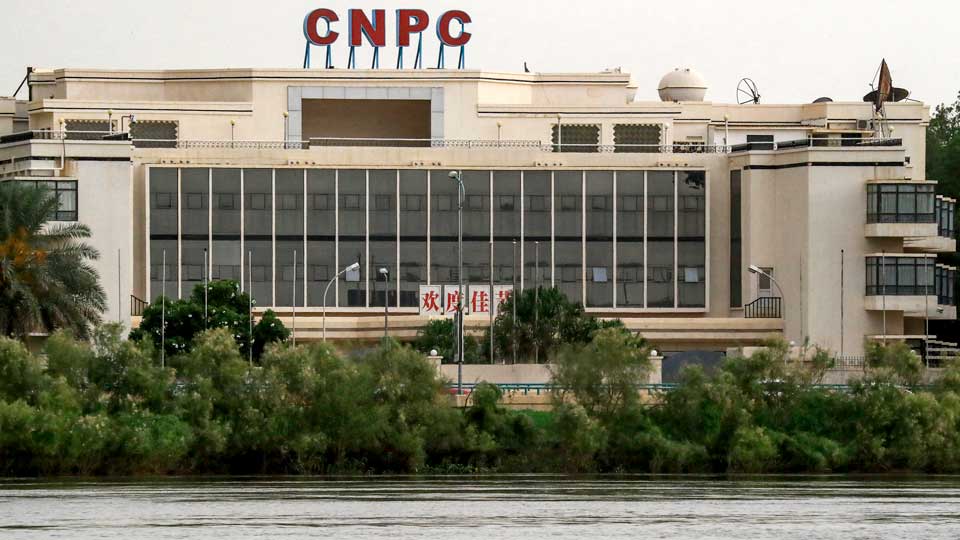
China and Sudan’s three-decade-long “oil diplomacy” has completely collapsed, a Chinese think tank said, after the leading state-owned oil firm China National Petroleum Corporation (CNPC) officially withdrew from its final complex in the African oil-rich but war-torn nation.
The think tank warned that the fallout would not only undermine CNPC’s oil investments in Sudan but also jeopardise Beijing’s Belt and Road Initiative footprint in South Sudan, which is heavily dependent on oil infrastructure that runs through its northern neighbor.
The report by Longxing Zhice Jingwei (龙兴智策经纬), a China-based government-aligned strategic policy research organization, CNPC sent a letter to Sudan’s Ministry of Energy on November 19, invoking a “force majeure” clause to seek termination of all the contractual obligations in Block 6 in West Kordofan state by the end of this year, calling an end to all the operations in the country.
This came several weeks before anti-government militants – Rapid Support Force (RSF) – attacked the Heglig oil field in West Kordofan state. The site is not only the heart of Sudan’s oil industry but also the sole transit hub for South Sudan’s crude oil exports.
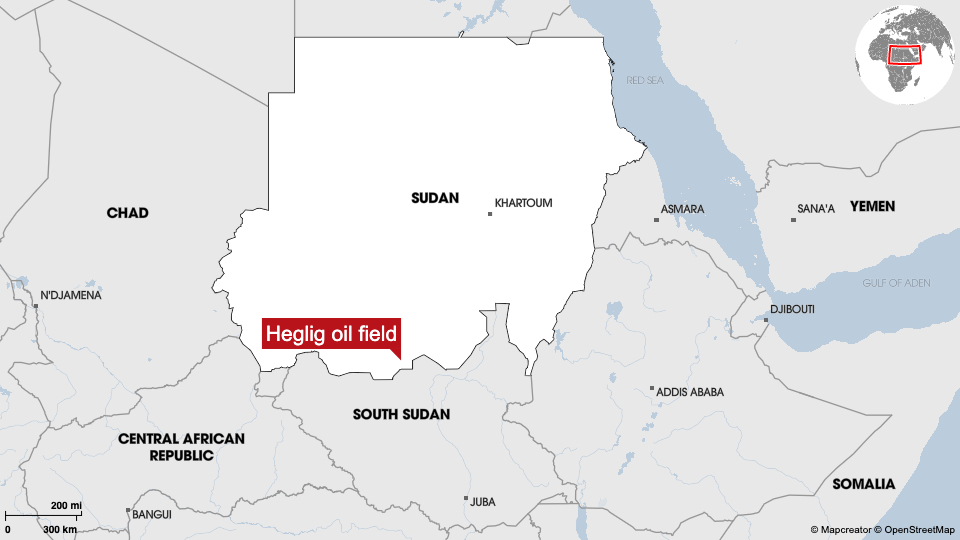
The report said the military operation conducted by the anti-government forces “marks the Khartoum-based central government’s (SAF) complete loss of control over the country’s core economic lifeline”.
This is why CNPC-led Chinese oil companies decided to leave, the think tank said.
“For China, this chain of events represents the most severe crisis to its interests since it entered the Sudanese market in the 1990s. CNPC, the core operator in the area, is now forced to confront the realities of asset damage, personnel evacuation, and the collapse of the energy cooperation model it spent decades building.
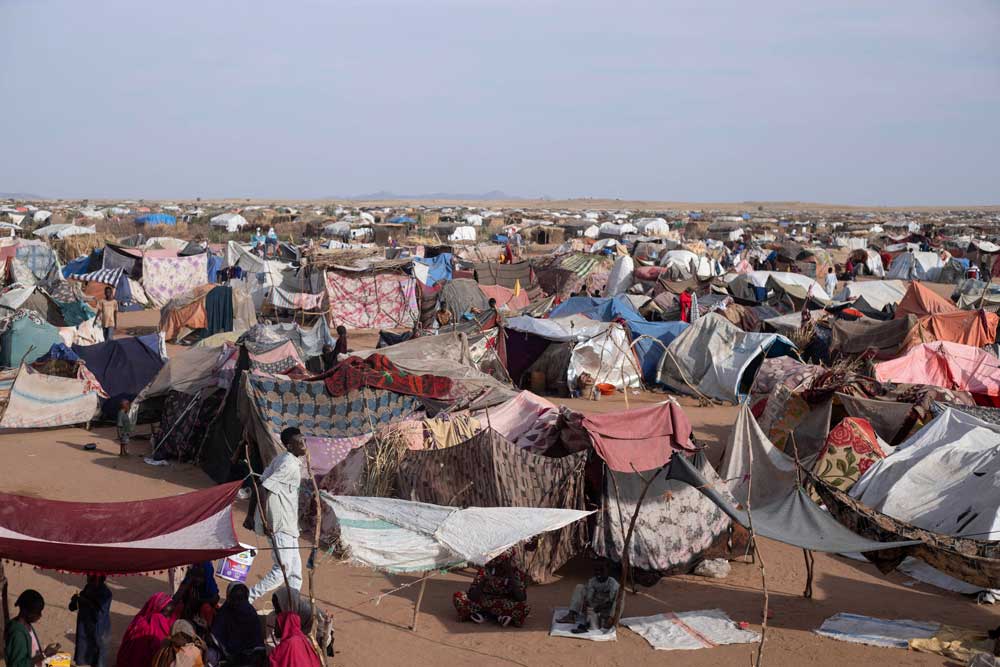
Sudan has been caught in an endless civil war since 2023, causing a number of humanitarian disasters. CNPC’s operation in the country continued during the civil war, and it only decided to leave entirely last month.
The report added that CNPC will suffer substantial losses as a result of the evacuation. Oil infrastructure built by the company will be entirely abandoned, potentially wiping out billions of dollars in Chinese investment.
Moreover, because South Sudan’s oil exports rely entirely on pipelines running through Sudan, the loss of this infrastructure could also trigger a collapse of South Sudan’s economy. And that is not only a loss for CNPC, but China’s Belt and Road Initiative, as South Sudan would “dramatically lose its ability to repay infrastructure loans from China,” and “placing all Chinese-funded infrastructure projects in the country at risk of being engulfed by renewed fighting.”
“China’s three-decade-long model of ‘oil diplomacy’ in Sudan has suffered irreversible structural damage. In the face of Sudan’s fragmented political landscape and South Sudan’s increasingly fragile economy, a passive wait-and-see approach can no longer safeguard national interests. China must shift from narrow asset protection toward comprehensive crisis management,” it added.
WHY IS THIS IMPORTANT? China’s withdrawal from Sudan’s three-decade-long oil industry is a rare move, given that Chinese investment, especially in developing countries, is typically seen as resilient to regional instability and even armed conflict.
The decision may reflect the unusual severity of Sudan’s civil war, which has already inflicted massive economic losses and triggered a deep humanitarian crisis. It may also signal a strategic recalibration by Beijing, as it adopts a more cautious approach to development in Africa amid mounting domestic economic pressures and a policy shift toward “small and beautiful” projects.
As South Sudan’s economy is expected to be heavily affected by the conflict’s spillover, the outlook for China’s extensive presence in the country, which is also concentrated mainly in the oil sector, remains uncertain.