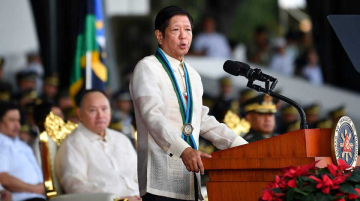
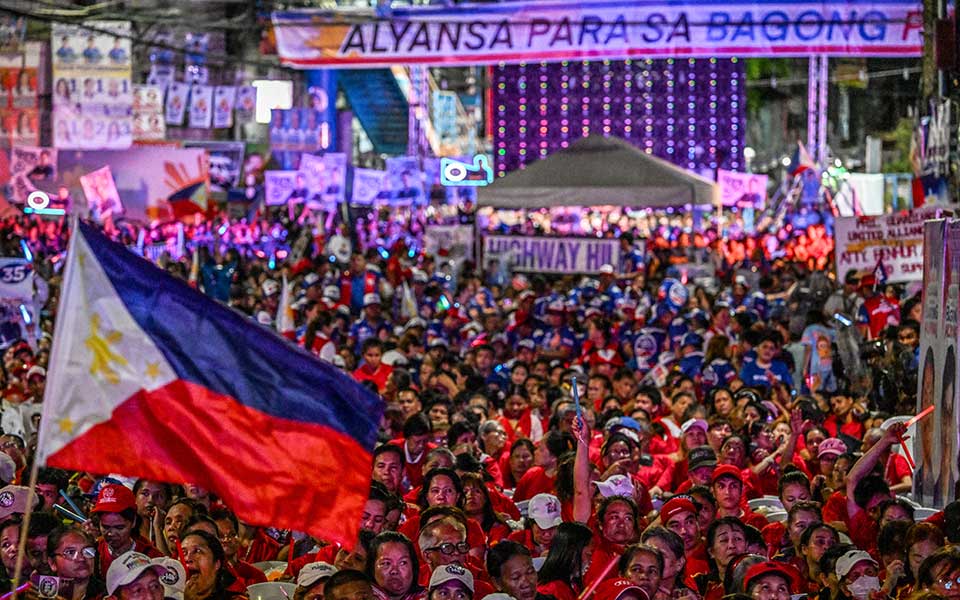
After the Philippines’ midterm election results signaled a setback for President Marcos Jr. and a boost for allies of the Duterte family, Chinese social media lit up with cheers. Many netizens hailed it as a long-awaited “turning point” in China-Philippines relations.
To them, the Duterte family—especially former President Rodrigo Duterte and current Vice President Sara Duterte—represents a pragmatic, less confrontational approach to China, in contrast to Marcos’s stronger alignment with the U.S. Duterte’s term saw improved economic ties with Beijing and less friction in the South China Sea.
Online commentators are now speculating that Marcos, weakened by the results, may face more domestic opposition and pressure to moderate his foreign policy. Some even draw parallels to South Korea’s Yoon Suk-yeol, who became a “lame duck” after his own midterm loss and was eventually impeached.
This response reveals a common Chinese online narrative: that countries should resist U.S. influence and pursue balanced diplomacy with China. In this view, the rise of Duterte allies is less about Filipino democracy and more about hope for a regional political shift that favors China’s interests.