Japanese companies are moving production bases from China to Southeast Asia, driven by China’s slowing growth, increasing business risks, and Southeast Asia’s attractive economic environment.
Concerns about China’s unpredictable regulations, rising labor costs, and a declining market have accelerated this trend.
China’s GDP grew by just 4.7% in Q2 of 2024, down from 5.3% in Q1, while retail sales in August rose a mere 2% year-on-year.
The real estate sector, which constitutes about a quarter of GDP, saw investments plunge above 10% year-on-year from January to August.
Post-pandemic economic struggles, exacerbated by the “Zero-COVID” policies and government-imposed restrictions, have fueled consumer distrust and eroded confidence.
The Counter-Espionage Law, in place since 2014, has heightened risks for foreign businesses.
Recent amendments allow authorities to inspect electronic devices for vaguely defined “espionage acts,” deterring investment.
From January to June 2024, foreign direct investment in China dropped by 29%.
Why Southeast Asia?
Southeast Asia offers proximity, improving infrastructure, and a youthful, skilled workforce. With a population of 670 million, surpassing the European Union, and a nominal GDP of $3.8 trillion in 2023, the region is on track to exceed Japan’s GDP by 2030.
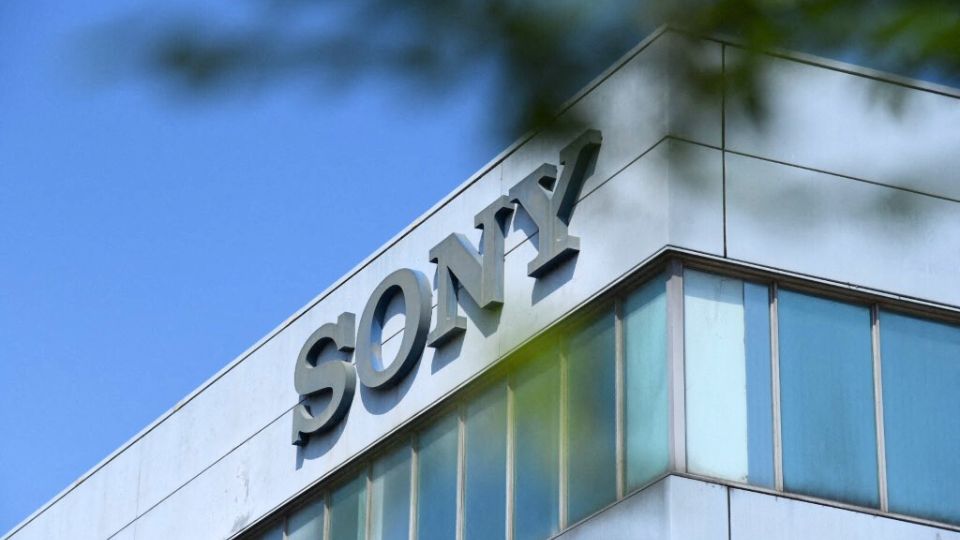
Companies like Sony, Kyocera, and Ricoh are already pivoting.
Sony relocated camera production for Japan, Europe, and the U.S. to Thailand, keeping China-only operations. Ricoh, a Japanese tech industry leader, is adjusting its strategy by shifting some production from China to Thailand.
Kyocera plans to shift part of its tool production to Vietnam to avoid U.S. tariffs on Chinese exports. Japanese firms operating in China dropped 1,300 companies in about ten years, from 14,394 in 2012 to 13,034 in 2023, reflecting a clear relocation trend.
Japan-ASEAN Ties
Japan actively engages in ASEAN forums like the East Asia Summit and the Regional Comprehensive Economic Partnership (RCEP), fostering trade and cooperation.
However, some Southeast Asian managers criticize Japanese firms’ slow decision-making, pointing to lengthy approval processes requiring head office clearance.
Younger Southeast Asians, a key consumer demographic, increasingly prefer South Korean and Chinese brands over Japanese ones, signaling a cultural challenge for Japan’s relevance in the region.